
Why Hanuman Jayanti Is Celebrated Twice A Year – And What Most People Don’t Know About It is a question that surprises even devoted followers of Lord Hanuman. For many, Hanuman Jayanti marks the birth of the deity known for strength, loyalty, and fearless devotion. Yet, unlike most Hindu festivals, this occasion does not fall on a single, universally accepted date.
Across India, devotees celebrate Hanuman Jayanti at two different times of the year. Some observe it in spring, others in winter. This dual observance often creates confusion, especially for those trying to follow rituals correctly. Understanding why Hanuman Jayanti is celebrated twice a year reveals how tradition, scripture, and regional belief intersect.
Lord Hanuman is not just worshipped as a powerful figure. He represents discipline, humility, and unwavering faith. That shared devotion is what keeps both celebrations equally alive.
The Two Hanuman Jayantis Observed in India
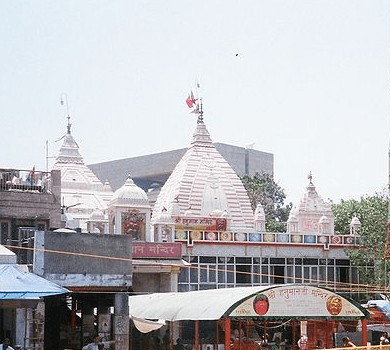
Hanuman Jayanti is observed twice based on two major traditions. One follows the lunar calendar month of Chaitra, while the other aligns with Margashirsha. Both are rooted in ancient belief systems and have been practiced for centuries.
Neither observance is considered incorrect. Instead, both are respected as authentic expressions of faith.
Chaitra Hanuman Jayanti in North India
In most parts of North India, Hanuman Jayanti is celebrated on Chaitra Purnima, the full moon day in March or April. This is the version most people recognize.

According to belief, Lord Hanuman was born on this day to Anjana and Kesari, with blessings from Vayu, the wind god. Temples across states like Uttar Pradesh, Bihar, Rajasthan, and Madhya Pradesh witness large gatherings.
Margashirsha Hanuman Jayanti in South India
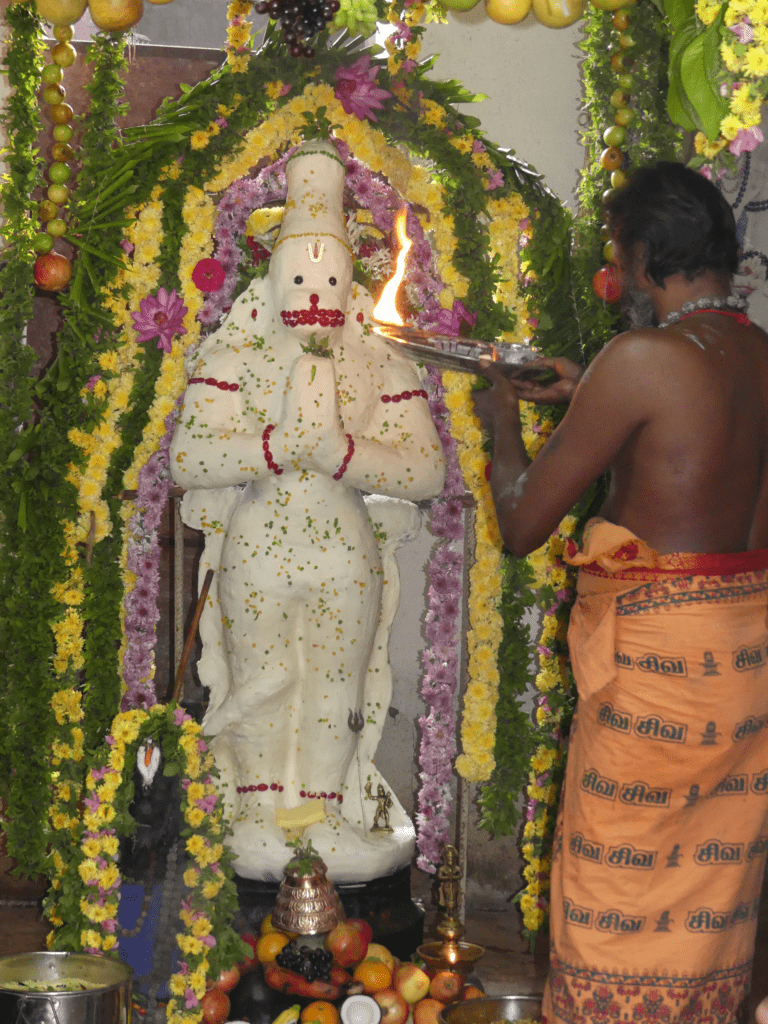
In South India, especially Tamil Nadu, Karnataka, Andhra Pradesh, and Telangana, Hanuman Jayanti is observed during Margashirsha, usually in December or January.
Here, the celebration often concludes a 41-day-long deeksha. This observance is also known as Anjaneya Jayanti and holds deep spiritual importance.
Why Hanuman Jayanti Is Celebrated Twice A Year
Why Hanuman Jayanti Is Celebrated Twice A Year becomes clear when one looks at how scriptures were interpreted across regions. Ancient Hindu texts were not always read uniformly. Different schools of thought emphasized different timelines.
Some Puranic references place Hanuman’s birth in Chaitra. Other traditions associate his divine awakening and purpose with Margashirsha. Over time, both interpretations gained acceptance.
Role of Regional Scriptures and Belief
India’s spiritual landscape has always been diverse. Local customs shaped how festivals evolved. Rather than replacing one belief with another, both were preserved.
This is why Why Hanuman Jayanti Is Celebrated Twice A Year is not a contradiction but a reflection of cultural continuity.
Tradition Over Uniformity
Hindu festivals often adapt to geography and community practice. Hanuman Jayanti followed the same path, allowing devotion to remain central rather than calendar accuracy.
Rituals That Remain the Same Everywhere
Despite differences in dates, the rituals of Hanuman Jayanti remain strikingly similar. Devotion does not change with the calendar.
Across both observances, devotees focus on prayer, discipline, and service.
Common practices include:
- Chanting the Hanuman Chalisa
- Visiting Hanuman temples
- Observing fasting or vows
- Offering sindoor, flowers, and sweets
These rituals reflect Hanuman’s qualities of simplicity and strength.
Importance of Hanuman Chalisa
The Hanuman Chalisa is central to both celebrations. Recited by millions, it is believed to offer courage and clarity. On Hanuman Jayanti, its recitation carries special meaning.
Acts of Service and Discipline
Many devotees choose seva over celebration. Feeding the poor, helping others, and maintaining restraint are seen as true worship.
Spiritual Meaning Behind Dual Observance

Why Hanuman Jayanti Is Celebrated Twice A Year also points to Hanuman’s unique position in Hindu belief. He is considered chiranjeevi, eternal and ever-present.
Celebrating his birth more than once does not diminish meaning. Instead, it reinforces the idea that devotion is ongoing, not limited to a single day.
Hanuman as a Symbol, Not Just a Date
Hanuman represents action guided by devotion. His relevance does not depend on a specific birth moment. That flexibility allows multiple observances to coexist.
Unity Through Shared Values
Whether celebrated in Chaitra or Margashirsha, the focus remains the same. Strength with humility. Power with service. Faith without ego.
Isn’t it interesting that a festival celebrated twice teaches the same lesson every time?
Chaitra vs Margashirsha: A Quick Comparison
| Aspect | Chaitra Hanuman Jayanti | Margashirsha Hanuman Jayanti |
| Season | March–April | December–January |
| Region | Mostly North India | Mostly South India |
| Calendar | Chaitra Purnima | Margashirsha tradition |
| Practice | Single-day observance | Ends 41-day deeksha |
This comparison shows that difference lies in timing, not belief.
Why the Confusion Still Exists Today
Modern calendars and online sources often list only one date. This leads people to question which Hanuman Jayanti is correct.
The truth is both are. Understanding why Hanuman Jayanti is celebrated twice a year removes the need to choose.
Devotion does not demand uniformity. It values sincerity.
How Devotees Decide Which Hanuman Jayanti to Observe
For many devotees, the choice is not confusing at all. They follow the tradition practiced in their family or region. If someone grew up observing Chaitra Hanuman Jayanti, that date carries emotional continuity. The same applies to those who observe Margashirsha celebrations.
In several households, both dates are acknowledged in different ways. One may be observed with full rituals, the other with simple prayer or chanting. This flexibility is widely accepted.
Family Lineage and Local Practice
Faith in India is often inherited through practice rather than instruction. Temples, elders, and local customs guide observance more than written calendars.
Personal Devotion Over Precision
Many devotees focus less on dates and more on discipline. For them, chanting the Hanuman Chalisa or maintaining a vow matters more than which month the celebration falls in.
The 41-Day Deeksha Tradition in South India
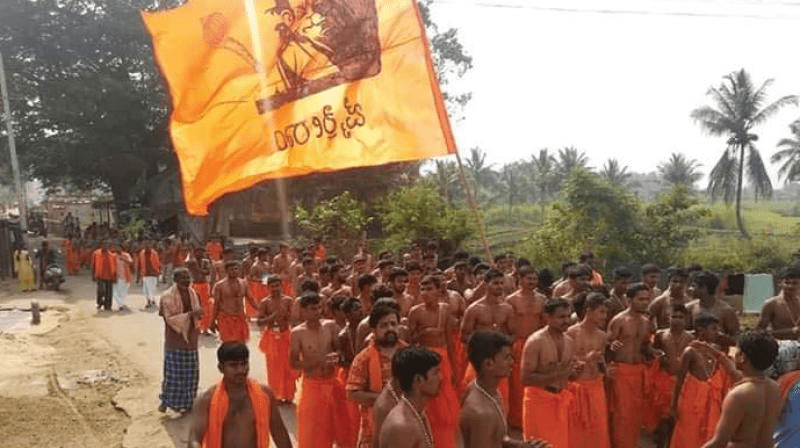
One of the least discussed aspects of Why Hanuman Jayanti Is Celebrated Twice A Year is the 41-day deeksha followed in parts of South India. This period of discipline involves celibacy, simplicity, and daily prayer.
The deeksha culminates on Margashirsha Hanuman Jayanti, making the final day spiritually intense. For devotees, this long preparation adds depth to the celebration.
Meaning of Deeksha in Hanuman Worship
Deeksha represents commitment. It mirrors Hanuman’s own qualities of restraint, obedience, and unwavering focus.
Why This Practice Remains Regional
Not all regions emphasize prolonged vows. In South India, temple traditions and monastic influence helped sustain the deeksha culture over generations.
Hanuman Jayanti in Modern Times
In recent years, interest in Hanuman Jayanti has grown beyond temple walls. Young devotees engage through group chanting, community service, and digital satsangs.
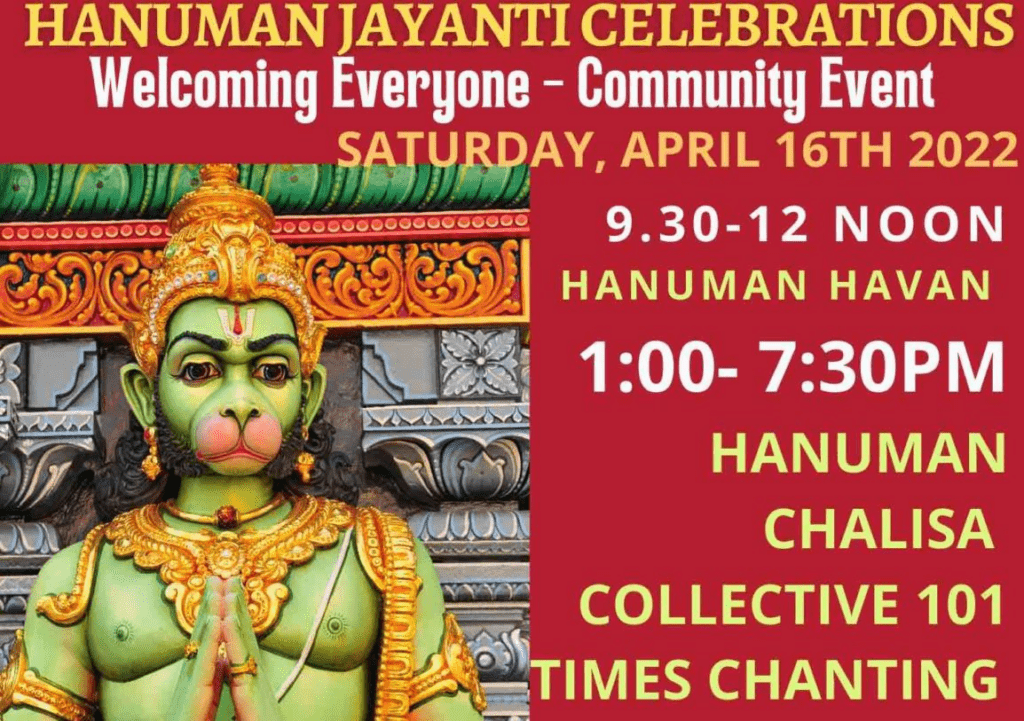
Despite modern formats, the essence remains unchanged. Strength is paired with humility. Power is balanced with service.
Growing Awareness About Dual Observance
More people now understand why Hanuman Jayanti is celebrated twice a year. Awareness has reduced confusion and encouraged respect for both traditions.
One Deity, Multiple Paths
Hanuman’s appeal cuts across language and region. That universality allows different calendars to coexist without conflict.
What Matters More Than the Date
Ultimately, Why Hanuman Jayanti Is Celebrated Twice A Year leads to a deeper realization. The festival is not about settling on one correct date. It is about embodying the values Hanuman represents.
Devotion, courage, discipline, and selfless service do not depend on the calendar. They are practiced daily.
Does it really matter when devotion is sincere and action is aligned?
Respecting Both Traditions Without Conflict
Indian spiritual culture has always allowed parallel traditions. Hanuman Jayanti is another example of harmony through diversity.
By understanding both Chaitra and Margashirsha observances, devotees can move past confusion and focus on purpose.
Celebrating Hanuman Jayanti once or twice a year carries the same message. Strength guided by devotion changes lives.