
When the Indian government cancelled over 6,600 FCRA licences between 2017 and 2021, many assumed the age of foreign-funded activism in India was over. Yet beneath the surface, a new network quietly emerged — one that re-engineered how money and influence move through NGOs, think tanks, and universities.
The investigation reveals that the Open Society Foundation (founded by George Soros), Omidyar Network, and the Ford Foundation have continued to route funds into India despite official watch-list restrictions. Their strategy has evolved from direct support to layered financing — creating multi-tier networks of organisations that appear independent but share common funding sources and ideological objectives.
For a government determined to safeguard national sovereignty, this raises a vital question: Why are these foundations so determined to maintain a foothold in India, even at the risk of violating local laws?
FCRA and the Modi-Era Crackdown
The Foreign Contribution (Regulation) Act (FCRA) of 2010 was designed to ensure transparency in overseas donations. However, after 2016, it became a key instrument in New Delhi’s campaign to rein in what officials called “policy manipulation through foreign money.”
According to Home Minister of State Nityanand Rai’s statement to the Lok Sabha, licences of 6,677 NGOs were revoked between 2017 and 2021, and more than 19,000 registrations were cancelled between 2011 and 2019.
Yet, watchdog data shows the same three foundations kept funding Indian entities — legally, but through indirect partnerships and academic grants abroad that later flowed back into domestic advocacy work.
The Big Three: Ideology and Intent

Open Society Foundation
Run by George Soros and his son Alexander, this organisation defines itself as a promoter of “vibrant, inclusive democracies.” In practice, its global interventions often coincide with movements seeking to challenge established governments — from Eastern Europe to South Asia.
The Ford Foundation
Founded in 1936 by Edsel Ford, it presents a humanitarian vision of social justice. Yet its record in India shows repeated tensions with government agencies. Its large grants to civil-rights NGOs, media literacy programs, and gender-policy initiatives have occasionally drawn scrutiny for shaping domestic debate rather than supporting neutral research.
Omidyar Network
Set up by eBay founder Pierre Omidyar and his wife Pamela, the Network brands itself as a “social-change venture.” It operates as both a philanthropy and an investment arm, blending impact capital with narrative shaping — funding media start-ups, digital-rights campaigns, and open-data projects.
Three Foundations and Their India Operations
| Foundation | Founder / Head | Primary Focus | Known India Links (Post-2016) |
| Open Society Foundation | George & Alexander Soros | Democracy promotion, media freedom | Fellowships for Indian students, grants to research think tanks |
| Ford Foundation | Darren Walker (President) | Social justice & human rights | Gender advocacy NGOs, urban policy initiatives |
| Omidyar Network | Pierre & Pamela Omidyar | Technology & governance innovation | Media grants, open-data projects, civic-tech start-ups |
Fellowship Networks: Catch Them Young

One of the most effective tools used by these organisations is the fellowship model. Talented Indian students are offered scholarships to study abroad, with mentoring programs that subtly shape their worldview.
Many of these scholars later return to India to join NGOs, research institutes, or digital media platforms supported by the same funding ecosystem. As one former fellow (who requested anonymity) told Take The Lede, “You don’t get told what to write — but you understand what topics get funded.”
This indirect narrative conditioning creates echo chambers that amplify criticisms of Indian policy on issues ranging from climate change to minority rights.
Soros’ Statement and the Political Shockwave
The turning point came in February 2023 at the Munich Security Conference when Soros commented on the Adani Group controversy:
“Adani is accused of stock manipulation and his stock collapsed like a house of cards. Modi is silent, but he will have to answer questions from foreign investors… This will weaken his stranglehold on India’s government.”
The reaction was swift. External Affairs Minister S. Jaishankar labelled Soros an “old, rich, opinionated, and dangerous billionaire,” while Smriti Irani, Minister for Women and Child Development, called it “an attack on India.”
To Delhi’s policymakers, the episode symbolised a wider strategy — using economic flashpoints and civil society alliances to question India’s institutional stability.
The Hidden Architecture of Funding
Behind every banned NGO, new ones often appear under different names or allied research units. These “relay organisations” receive small grants from regional hubs in Singapore, London, or Washington D.C., effectively circumventing FCRA restrictions.
A senior official in the Home Ministry (quoted anonymously) said: “It’s not illegal per se because the money is re-routed through permitted channels, but the intent is clear — to influence domestic policy.”
This pattern is not unique to India. Similar frameworks have appeared in Indonesia, Hungary, and Brazil, where funding layers mask the original donor identity but align with identical political outcomes.
A Broader Global Template
Foreign philanthropy in India is not new. But the shift from charity to policy engineering marks a turning point. These foundations no longer restrict themselves to education or health. Instead, they enter spaces that shape opinion — media, law, data privacy, and elections.
As India positions itself as the world’s fastest-growing economy, influence over its policy discourse offers enormous leverage.
Controlled Narratives and Media Sponsorship

When foreign donors face direct restrictions, media sponsorship becomes their most subtle weapon. Reports by independent monitors suggest that the Open Society Foundation and Omidyar Network have indirectly funded several “fact-checking” and “media literacy” ventures in India.
These platforms, while publicly claiming neutrality, often concentrate their criticism on government actions while downplaying systemic flaws in Western institutions. One Delhi-based editor described it candidly: “It’s influence laundering. You can’t track the origin once the money passes through two layers of non-profits.”
Such entities not only shape public debate but also determine what is not discussed — especially on topics involving faith, security, and national sovereignty.
The Ford Foundation’s Quiet Continuity
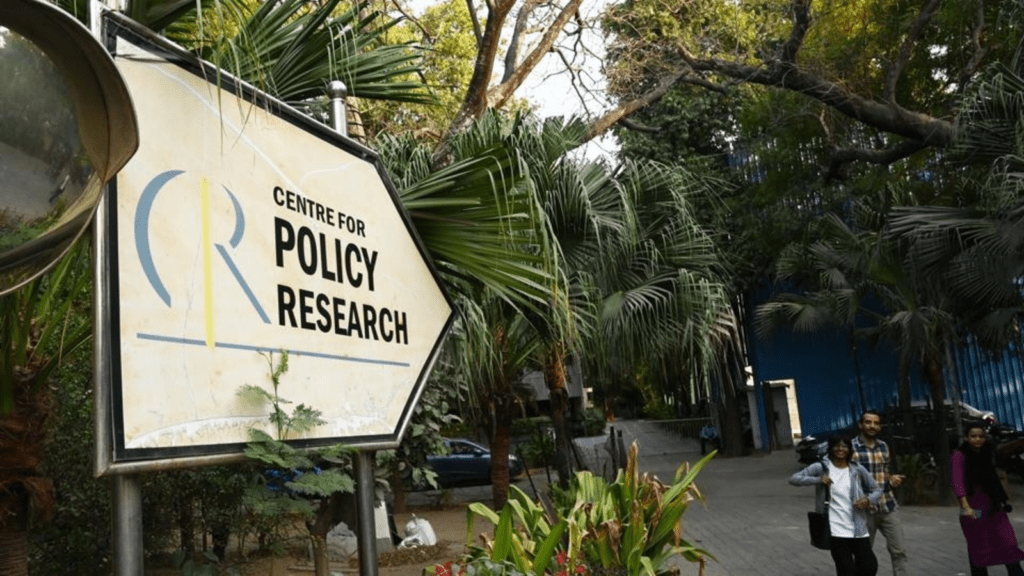
Unlike Soros, the Ford Foundation avoids public confrontation. After its accounts were briefly frozen in 2015, it restructured its Indian presence, shifting from direct NGO funding to “project partnerships” with universities and state governments.
Today, Ford’s footprint appears more academic than activist. Yet, many scholars funded under its programs later move into policy roles, influencing legislation on environment, gender rights, and urban governance.
This mirrors the model used during the Cold War era, when the Foundation supported liberal arts institutions across Asia and Africa as part of broader American diplomacy. In India, it has refined that playbook — operating through curriculum design, university think tanks, and art fellowships that reinforce its ideological approach to social justice.
Omidyar Network’s Digital Playbook
Among the three, Omidyar Network represents the digital vanguard. It has poured millions into data rights, fintech regulation, and online governance projects. On paper, these initiatives aim to improve transparency. In practice, they often create friction between state policy and civil-tech advocacy groups.
For instance, Omidyar-funded entities such as data-policy incubators and civic platforms have questioned India’s data localisation and UPI privacy norms. While debate is legitimate in any democracy, the asymmetry of resources — foreign money vs. domestic discourse — inevitably tilts public opinion.
Why India Remains the Battleground
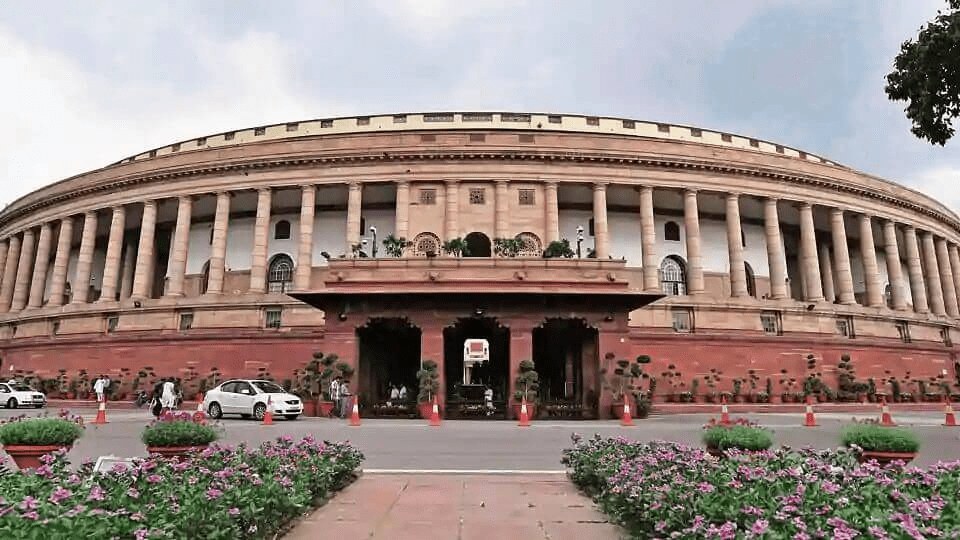
India’s demographic scale, digital penetration, and growing geopolitical clout make it a strategic prize for any ideology seeking global reach. A country that defines its democracy through diversity and debate becomes, paradoxically, vulnerable to external influence.
Foreign foundations often justify their interest in India as “support for pluralism.” But critics argue that their funding architecture selectively amplifies voices aligned with Western liberal frameworks while marginalising home-grown social movements.
The pattern is familiar:
- Identify emerging issues such as environment or privacy.
- Fund domestic groups that challenge government positions.
- Amplify narratives through international media and conferences.
- Use the resulting pressure to steer local reform.
This ecosystem, say analysts, has effectively created a shadow policy dialogue running parallel to India’s elected institutions.
Government Response and Regulatory Tightening
The Ministry of Home Affairs has not remained passive. In recent years, it has introduced real-time tracking of foreign grants, requiring NGOs to open FCRA-designated bank accounts with the State Bank of India’s New Delhi branch.
While activists argue that this centralisation restricts freedom, officials claim it ensures accountability. A senior bureaucrat involved in the reforms stated: “Transparency is not a threat. It is the foundation of trust between civil society and the state.”
This move has already reduced the inflow of untraceable funds, but experts warn that digital grant channels — such as blockchain-based donations and crowdfunding from overseas — remain outside FCRA’s practical reach.
Lessons from Abroad
To understand India’s current predicament, it helps to look at Hungary and Indonesia. Both nations experienced similar waves of “philanthropic intervention.” Hungary’s government expelled the Open Society Foundation in 2018, accusing it of political interference. Indonesia imposed tighter controls on foreign-funded education programs.
In both cases, governments faced backlash from Western media but succeeded in curbing opaque financial networks. Indian policymakers have studied these precedents closely, aiming to balance foreign cooperation with domestic autonomy.
Towards a Balanced Civil Society
It would be simplistic to demonise all foreign funding. India’s progress in sectors like public health, renewable energy, and rural entrepreneurship owes much to global partnerships. The challenge lies in ensuring that philanthropy doesn’t become a policy instrument.
Independent audit mechanisms, full disclosure of donor hierarchies, and a national registry of transnational grants could create the transparency needed to restore trust.India’s democracy has thrived precisely because it can absorb dissent without losing direction. But as the saying goes, “When money shapes the message, freedom risks becoming a performance.”