
In India’s crowded legal corridors, few names echo as loudly as Satish Maneshinde. Known for his courtroom precision, calm demeanor, and million-rupee fees, he has become the go-to celebrity lawyer for Bollywood’s most controversial trials. Whether it was Aryan Khan’s drugs case, Salman Khan’s poaching trial, or Sanjay Dutt’s 1993 blast case, Maneshinde’s name has been a constant fixture in the headlines.
As one Mumbai judge once remarked half-jokingly, “If Maneshinde takes your case, the media trial ends before the real one begins.” That’s the kind of reputation he carries — both respected and questioned, but never ignored.
Let’s explore the ten most talked-about cases that defined his career — and how each reshaped India’s view of celebrity justice.
Aryan Khan and the Mumbai Cruise Drug Case
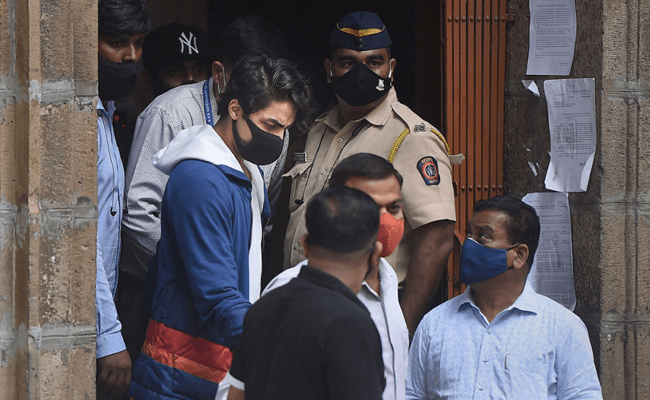
When Shah Rukh Khan’s son, Aryan Khan, was arrested by the Narcotics Control Bureau (NCB) in 2021, India’s entertainment world went silent. Enter Satish Maneshinde, the defense counsel whose calm yet firm approach slowly dismantled the prosecution’s claims.
After weeks of hearings, Maneshinde helped secure Aryan’s bail, arguing that there was no direct evidence linking him to drug consumption or trafficking. His courtroom strategy combined empathy with precision, reminding everyone that “bail, not jail, is the rule.”
In Bollywood circles, this case reinforced his image as the man who defends the Khans.
Sanjay Dutt and the 1993 Mumbai Blasts Case
This case was the real turning point. Back in the 1990s, when Sanjay Dutt faced charges related to the Mumbai serial blasts, the entire nation was divided between outrage and sympathy. Maneshinde, then a young lawyer mentored by Ram Jethmalani, stepped in to represent Dutt.
Despite severe allegations under the TADA Act, Maneshinde’s legal acumen helped Dutt obtain bail. His arguments on procedural lapses and personal reformation later became textbook examples in Indian law schools.
Yahi se unka naam bana, aur unka stature badhta gaya — this was the moment that turned him into a household name.
The Arms Act Case: Sanjay Dutt, Again

In 2007, when Sanjay Dutt was again summoned for illegal arms possession, the actor returned to the familiar hands of Maneshinde. His defense emphasized rehabilitation, not punishment — a theme that Maneshinde would later echo in many celebrity cases.
This case cemented the lawyer-client bond between Dutt and Maneshinde, showcasing that legal battles in Bollywood often rely on trust more than contracts.
Salman Khan and the Blackbuck Poaching Case
The Blackbuck poaching case was among India’s longest-running celebrity trials. Salman Khan, accused of hunting endangered species in Rajasthan, turned to Maneshinde during one of his arrests.
Maneshinde’s strategy was straightforward: focus on inconsistencies in witness testimonies and procedural delays. His arguments led to temporary bail, giving Khan breathing space during a highly polarized public debate.
This was one of the moments when the press began calling him Bollywood’s crisis lawyer.
Salman Khan and the 2002 Hit-and-Run Case
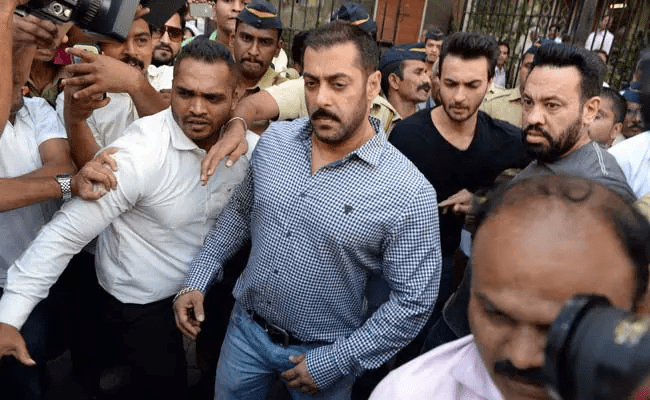
Perhaps no case tested Maneshinde’s skill like the 2002 hit-and-run trial, where Salman Khan faced charges of culpable homicide after allegedly driving under the influence.
Through extensive examination of evidence and cross-examination of police witnesses, Maneshinde’s defense helped secure an acquittal for Khan in 2015. Critics questioned the verdict, but the lawyer’s precision and control over technicalities remained undeniable.
As one legal commentator noted, “Maneshinde doesn’t argue emotionally — he builds a fortress around procedure.”
Rhea Chakraborty and the Sushant Singh Rajput Case

After actor Sushant Singh Rajput’s death, his girlfriend Rhea Chakraborty was arrested under the NDPS Act for alleged drug use. The nation watched closely as trolls, hashtags, and prime-time panels attacked her character.
Maneshinde took charge amid the media storm. His legal team exposed gaps in the NCB’s process and secured Rhea’s bail. His handling of this case was as much about public perception as legal defense — proving his grasp over both courtroom and media narratives.
Rakhi Sawant and the Abetment to Suicide Case
In 2010, TV personality Rakhi Sawant faced a charge of abetment to suicide following a controversial episode of her reality show Rakhi Ka Insaaf.
While the public dismissed the case as tabloid drama, Maneshinde approached it with his usual seriousness. His arguments highlighted the lack of intent, and the court dismissed the charge.
This case showed how even reality television had started spilling into India’s judicial system — and why lawyers like him were crucial mediators of fame and law.
Sujatha Nikalje vs Mumbai Police
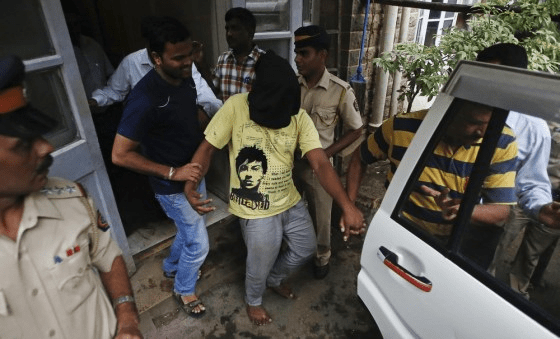
One of Maneshinde’s more understated victories came when he represented Sujatha Nikalje, wife of underworld don Chhota Rajan. The Bombay High Court later ruled that her arrest was mishandled, criticizing the Mumbai Police.
The case demonstrated his ability to handle complex, high-stakes defense without media spectacle — a rare trait in celebrity legal culture.
The Palghar Lynching Case
Not every case he handled was for the defense. Maneshinde was appointed Special Public Prosecutor in the Palghar lynching case, where two sadhus were killed by a mob in 2020.
His balanced approach, condemning both misinformation and mob violence, was praised by civic leaders. For a man often associated with Bollywood, this case reminded the public of his roots in criminal law.
Inspector Daya Nayak and the Disproportionate Assets Case
Mumbai’s encounter specialist Daya Nayak once faced allegations of owning assets beyond his means. Represented by Maneshinde, he was later cleared of most charges after procedural errors surfaced.
This case further strengthened Maneshinde’s image as the go-to defense strategist in Maharashtra’s most politically charged cases.

Satish Maneshinde’s Major Legal Cases
| Year | Case/Client | Type | Outcome |
| 1993 | Sanjay Dutt (Blast Case) | Criminal Defense | Bail Granted |
| 2002 | Salman Khan (Hit-and-Run) | Criminal Defense | Acquitted |
| 2007 | Sanjay Dutt (Arms Act) | Defense | Sentence Reduced |
| 2010 | Rakhi Sawant | Abetment to Suicide | Case Dismissed |
| 2020 | Palghar Lynching | Public Prosecutor | Trial Ongoing |
| 2021 | Aryan Khan | NDPS/Drugs | Bail Granted |
The Man Behind the Fame: Fees and Philosophy

Satish Maneshinde’s fees are the subject of constant curiosity. Reports from Bollywood Life and Brut India suggest he charges around ₹10 lakh per hearing — making him one of India’s most expensive lawyers.
But those close to him claim it’s not about money. “He’s always prepared, always calm. You pay for that assurance,” says one industry insider. His success also reflects a deeper shift — the merging of law, celebrity, and public perception in India’s justice system.
The Evolution of a Celebrity Lawyer
Satish Maneshinde’s journey wasn’t born in privilege. Hailing from Dharwad in Karnataka, he graduated from Karnataka University before moving to Mumbai in the early 1980s. Like many young lawyers, he started small — drafting affidavits, observing senior advocates, and learning courtroom etiquette. His big break came when he joined the chambers of Ram Jethmalani, India’s most formidable criminal lawyer at the time.
It was under Jethmalani’s mentorship that Maneshinde learned the art of legal persuasion — the balance between facts, tone, and timing. “He taught me that the law is not about shouting louder than your opponent,” Maneshinde once said in an interview, “it’s about making the judge listen.”
This philosophy still defines his style — minimal theatrics, maximum precision.
Reputation and Media Perception
Over the decades, Maneshinde has evolved into a symbol of celebrity legal defense. In a country where public opinion often sways faster than court judgments, his ability to maintain composure has earned both admiration and criticism.
Media coverage tends to label him as the “celebrity savior” — but his record goes beyond glamour. He has fought for police officers, activists, and public prosecutors, rarely turning down cases that challenge state overreach.
Yet, the public fascination remains focused on his Bollywood clients. Perhaps because every time he appears in court, the stakes involve not just one person’s liberty but also millions of fans’ emotions.
His Legal Philosophy: Calm in the Eye of Chaos
What sets Satish Maneshinde apart is his insistence on procedural fairness. While India’s courts often drown in media noise, he sticks to documentation, cross-examinations, and judicial discipline.
He often reminds journalists that “no one should be punished for headlines.” This belief became central during the Aryan Khan case, where the narrative was largely built on speculation.
In Hindi terms, “nyay court mein hota hai, camera ke saamne nahi” — justice happens in court, not in front of the camera.
Critics and Controversies
Not every case has ended in glory. Critics point out that Maneshinde’s prominence also highlights inequality in access to justice. Many argue that only the rich can afford lawyers like him, creating an imbalance in who gets bail and who doesn’t.
However, his supporters counter that his methods have set higher standards of preparation and professionalism. In fact, many young lawyers now study his cross-examinations as models for courtroom conduct.
One senior advocate quipped, “If India had more Maneshindes, our system would run on merit, not melodrama.”
The Economics of High-Profile Defense
The economics behind celebrity cases is a conversation few dare to have publicly. According to industry insiders, Maneshinde’s retainer fees can range between ₹50 lakh to ₹1 crore depending on the case.
He maintains a small but elite team that includes associates trained in digital forensics, narcotics law, and financial crime. Unlike large corporate firms, his office focuses exclusively on criminal and media-sensitive cases.
| Aspect | Estimate (in ₹) | Description |
| Per-day Hearing Fees | 10 lakh | Reported by Bollywood Life |
| Case Retainer (avg) | 50 lakh – 1 crore | Depends on complexity |
| Core Team | 6–8 Lawyers | Focused on criminal law |
| Office Location | Mumbai | Close to Bombay High Court |
This transparency, though rare, is part of his brand — expensive but dependable.
The Shifting Face of India’s Legal Landscape
Maneshinde’s rise also mirrors India’s transformation into a media democracy, where trials are dissected on TV before they even begin in court. His calm, structured approach has shown that the rule of law can coexist with media scrutiny — if handled intelligently.
More importantly, he represents a generation of lawyers who bridge the gap between traditional advocacy and modern narrative management.
Whether one views him as a symbol of privilege or professionalism, there’s no denying that he changed how Indians perceive the justice system.
Legacy and Influence
Today, younger lawyers often see Satish Maneshinde as both a mentor and a myth. His alumni have gone on to become public prosecutors, judges, and independent defenders in Mumbai’s crowded legal ecosystem.
In 2025, he was even invited to deliver a lecture at the National Law School, Bengaluru, where he spoke about “Ethics in Celebrity Litigation.” His message was clear — fame fades, but integrity remains the lawyer’s only currency.
That line went viral for a reason. It captured everything he stood for.
From Courts to Culture: What Maneshinde Symbolizes
Beyond law, Maneshinde represents something deeper — the coexistence of justice, celebrity, and Indian modernity. His presence in cases involving film stars, police officers, and politicians underscores the blurred lines between cinema and society.
In a way, his story is the story of India’s legal evolution — from colonial codes to courtroom cameras.“Every courtroom has its drama,” he once joked, “but I prefer to play the director, not the actor.” That single quote perhaps defines his relationship with Bollywood better than any case file.