
If one woman embodies how activism can become an arm of international influence, it is Thenmozhi Soundararajan — the self-styled “Dalit Diva” who turned caste discourse into a transnational political export. At 45, she has successfully pushed anti-caste legislation in both Seattle and California, positioning herself as the global face of caste reform. But beneath the humanitarian veneer lies a more strategic question: how did a single activist from Orange County end up shaping American law on a complex Indian social issue?
A Curious Rise from Berkeley to Washington
Thenmozhi’s path reads like a blueprint of soft power success. Born to Christian Paraiyar parents who migrated from Tamil Nadu to the United States, she grew up in an upper-middle-class family that carefully concealed its caste origins. After her parents’ divorce, the teenage Thenmozhi channelled personal trauma into activism. By the mid-1990s, while studying art and music at UC Berkeley, she had joined student groups such as Culture Unity and Third World Majority.
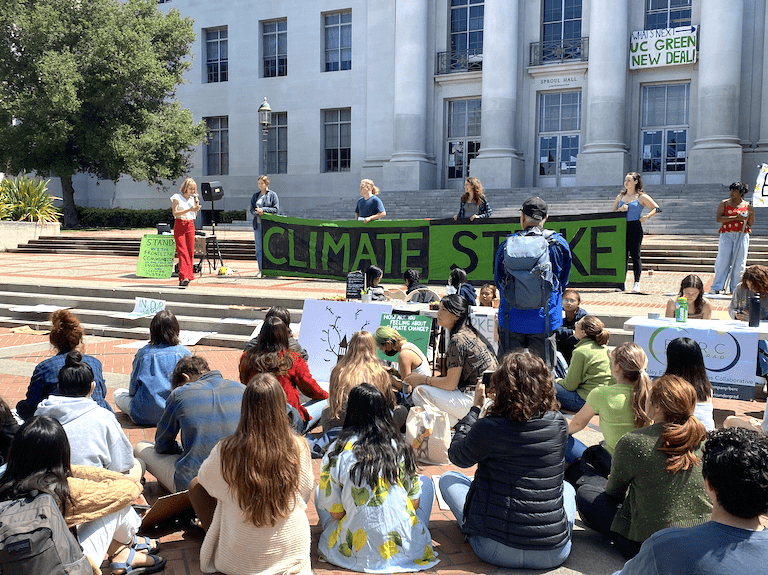
Her transformation from student activist to professional campaigner was swift. In 1998, she joined anti-discrimination protests on campus. Fifteen years later, she resurfaced in India, touring with the All India Dalit Mahila Adhikar Manch (AIDMAM) — a network under Paul Divakar Namala’s National Campaign for Dalit Human Rights (NCDHR), an organisation repeatedly linked to George Soros’s Open Society network.
Launching Equality Labs: A Platform with Global Patrons
By 2015, Thenmozhi had evolved from filmmaker to founder. With Sharmin Hussain, an American activist of Bangladeshi origin, she launched Equality Labs, a nonprofit claiming to represent South Asian minorities in the US. The group’s stated mission — combating caste discrimination — seemed noble. But its methods, funding, and political alignments reveal a deeper geopolitical design.

Equality Labs’ influence skyrocketed after it pushed surveys on “caste discrimination in the US,” later used to justify new legislation. The problem? The Carnegie Endowment for International Peace found these surveys methodologically flawed — citing bias, data manipulation, and unverifiable sampling. Yet those very numbers became the moral foundation for anti-caste laws in Seattle and California, where local councils passed them amid fierce opposition from Hindu-American groups.
Why Hindu Organisations Opposed the Law
Both the Hindu American Foundation (HAF) and Coalition of Hindus of North America (CoHNA) condemned the legislation as discriminatory. Their main argument: these laws singled out Indians and Hindus as inherently oppressive, violating US non-discrimination norms.
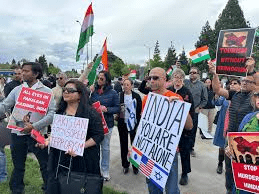
They cited that people of Indian descent form less than 2% of the state population, yet face unique legal scrutiny no other ethnic group does. Studies like Carnegie’s found caste-based bias “exceedingly rare” — about 2.5% in the sample. Still, the Equality Labs narrative prevailed, amplified by sympathetic Western media and activist networks.
CoHNA went further, warning that such legislation might stigmatise Hindu children as “descendants of casteist parents” and embed colonial theories into US law. In public rallies outside Fremont City Hall, opposing groups clashed — a symbol of how identity politics, imported from the subcontinent, now divides American communities too.
The Money Trail: How Activism Meets Capital
A deeper look at Equality Labs’ financial ecosystem uncovers a familiar web. The organisation isn’t registered as an independent charity. Donations go through Fractured Atlas, a fiscal sponsor allowing tax-deductible contributions for unregistered groups. This arrangement, while legal, obscures accountability.
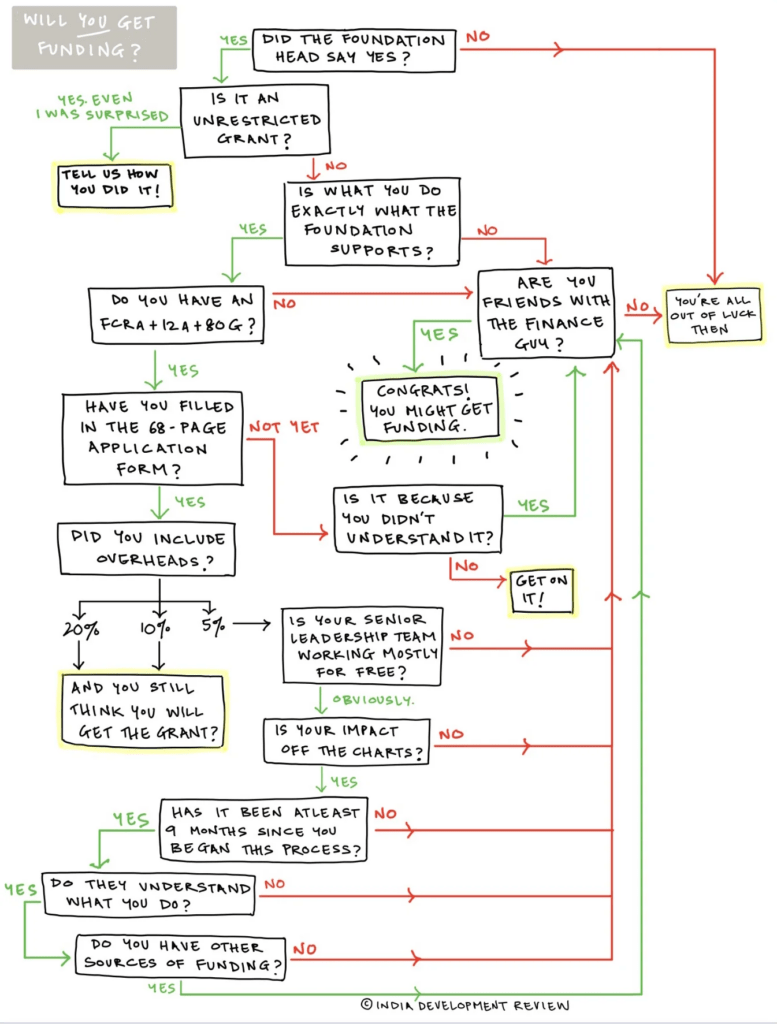
Between 2017 and 2020, Equality Labs received over USD 650,000, channelled through major liberal foundations often aligned with US foreign-policy influence projects.
Table — Funding Sources Behind Equality Labs
| Year | Donor Foundation | Amount (USD) | Affiliation/Notes |
| 2020 | Ford Foundation | 125,000 | Historic US policy-linked philanthropy |
| 2019 | Ford Foundation | 39,500 | |
| 2019 | General Service Foundation | 110,000 | Progressive advocacy funding |
| 2019 | Nathan Cummings Foundation | 50,000 | Led by former Open Society officials |
| 2019 | NoVo Foundation | 175,000 | Linked to Peter Buffett, son of Warren Buffett |
| 2018 | Tides Foundation | 60,000 | Anonymous passthrough funder |
The Ford Foundation, once barred from India for policy interference, reappears as a primary backer. The Nathan Cummings and NoVo Foundations connect the activist’s ecosystem directly to American liberal donor networks. And the Tides Foundation — famous for masking donor identities — reportedly financed the establishment of a “Dalit woman-led office.”
A Pattern That Mirrors Washington’s Global Template
The synergy between Equality Labs and these philanthropic giants reflects what many analysts describe as America’s new soft power architecture: using social-justice narratives to influence cultural and political norms abroad. Just as media and human-rights organisations shaped debates in Eastern Europe or Latin America, India now finds its internal social structure projected onto US legislation.
This is not to deny the reality of caste, but to ask whether activism funded and framed abroad can authentically represent the Indian experience — or merely serve as a geopolitical proxy.
The Global Launch: From New York to Silicon Valley
Thenmozhi Soundararajan’s true breakthrough came in 2014, when she appeared at the Women in the World Summit in New York City — a high-profile event backed by Hillary and Bill Clinton. Actor Uma Thurman introduced her documentary on caste, and NBC’s Cynthia McFadden hosted a live interview with her and activist Asha Kotwal. That single appearance changed everything.
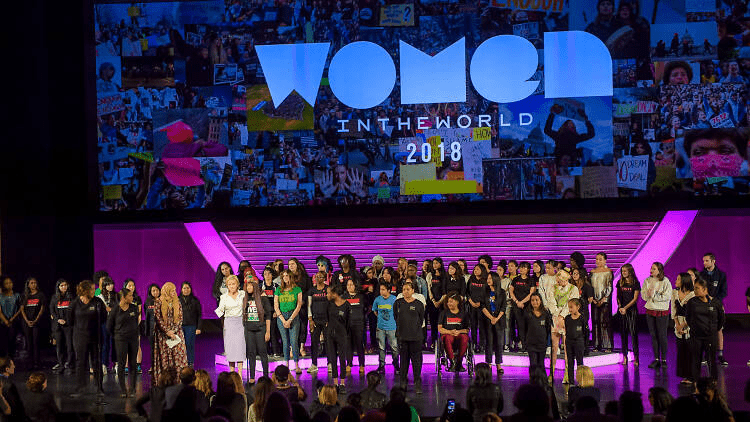
Within a year, Thenmozhi had moved from niche activism to the frontlines of American liberal philanthropy. By 2015, she was no longer just a filmmaker; she had become the voice of “caste equity” in the United States. With the strategic support of Soros-linked and Ford-funded networks, Equality Labs grew into a lobbying platform influencing university policies, diversity programs in Silicon Valley, and state-level legislation.
How the “Caste Survey” Became a Political Weapon
The turning point was the 2018 Equality Labs survey — a 60-page document claiming rampant caste discrimination among Indian-Americans. Despite being unverified and statistically weak, it quickly became the moral basis for new laws. The Carnegie Endowment for International Peace later debunked it, pointing out confirmation bias and fabricated sampling.
Yet by then, the narrative had gone mainstream. Tech companies began adding “caste” to anti-discrimination policies, and legislators like Kshama Sawant in Seattle used Equality Labs’ data to justify the first caste law in the US. Sawant, an avowed Marxist, praised Soundararajan as “a brave leader confronting Hindu upper-caste oppression.” Critics argue this alignment was no coincidence but a coordinated ideological campaign.
Foundations Behind the Curtain
The network sustaining Equality Labs is part of a larger American pattern: elite donors funding identity-based activism to shape discourse globally.
- Ford Foundation – Long accused of using philanthropy as a diplomatic tool.
- NoVo Foundation – Controlled by Peter Buffett, promotes radical social justice causes.
- Nathan Cummings Foundation – Directed by alumni of Open Society and MacArthur Foundation, known for left-leaning influence work.
- Tides Foundation – A shadow donor hub enabling anonymous transfers to activist groups worldwide.
This cluster of funding bodies not only amplifies liberal activism but also exports American identity politics into foreign communities. In India’s case, caste becomes a narrative lens — emotionally potent, politically useful, and globally marketable.
Impact on Indian Diaspora and Youth
For the Indian-American community, this trend is double-edged. On one hand, genuine caste prejudice exists and deserves attention. On the other, laws shaped by flawed data risk alienating millions of law-abiding Hindus and reinforcing stereotypes.

Community organisations report that Hindu students and tech workers now face suspicion during diversity workshops or visa interviews. Some parents in California have withdrawn their children from schools promoting “caste education,” claiming it stigmatizes Hindu culture as inherently oppressive.
“Caste should be fought through education, not legislation written by people who don’t understand India,” says Dr. Neeraj Mehta, a Fremont-based engineer and community leader. His words echo a growing discomfort among the diaspora — that activism is being used to reframe identity rather than heal divides.
The Political Theatre of Progressivism
From the outside, Equality Labs looks like a grassroots movement. Inside, it operates as part of an ideological machine. Its public campaigns align seamlessly with the global talking points of Open Society Foundations and similar donors — from “decolonising Hinduism” to “dismantling privilege.”
Ravi Menon’s editorial note in Take The Lede archives once called this pattern “philanthropic federalism” — where NGOs perform the role of informal embassies, exporting moral agendas that align with Washington’s soft power. Equality Labs fits that template perfectly.
The Numbers Behind the Narrative
| Year | Legislative Target | State/City | Main Advocate | Key Partner |
| 2020 | Anti-caste motion | Seattle | Kshama Sawant | Equality Labs |
| 2021 | Caste clause in HR policy | Google, Meta | Soundararajan | Tides Foundation |
| 2023 | SB403 caste law | California | Senator Aisha Wahab | Equality Labs |
Each milestone marks how a private activist platform transitioned into a quasi-policy engine influencing state governance. For the US, this is soft power through social activism; for India, it’s interference disguised as advocacy.
What the Pattern Reveals
The trajectory of Thenmozhi Soundararajan is not random. It’s a case study in how modern influence operates — through culture, law, and civil society rather than armies or embassies. Her rise parallels the way Cold War-era institutions once shaped global narratives under the banner of democracy and human rights.
It also highlights the vulnerability of diaspora politics, where identity-based legislation can fracture unity within a minority community already under pressure to assimilate.
Final Reflections: When Activism Becomes Diplomacy
Thenmozhi’s story is not simply about caste or equality — it’s about power. Her organisation thrives on an ecosystem where money, ideology, and media converge to shape perception. Whether she is a genuine reformer or a carefully cultivated voice of soft power, one fact remains: the lines between advocacy and geopolitics have blurred beyond recognition.
For India, the lesson is urgent — protect your narratives before others define them. And for the Indian diaspora, awareness must go hand in hand with responsibility. Not every slogan of liberation carries only moral intent; sometimes, it carries a foreign agenda too.