
What if the democratic rhythm of Karnataka’s upcoming elections was being rewritten not by local politics but by quiet funding lines stretching all the way to George Soros’s global network? Today, new evidence points to Soros-affiliated organisations shaping narratives through youth-based fronts such as Yuva Shakti — raising serious questions about external influence on India’s electoral space.
Salil Shetty and the Bengaluru Connection
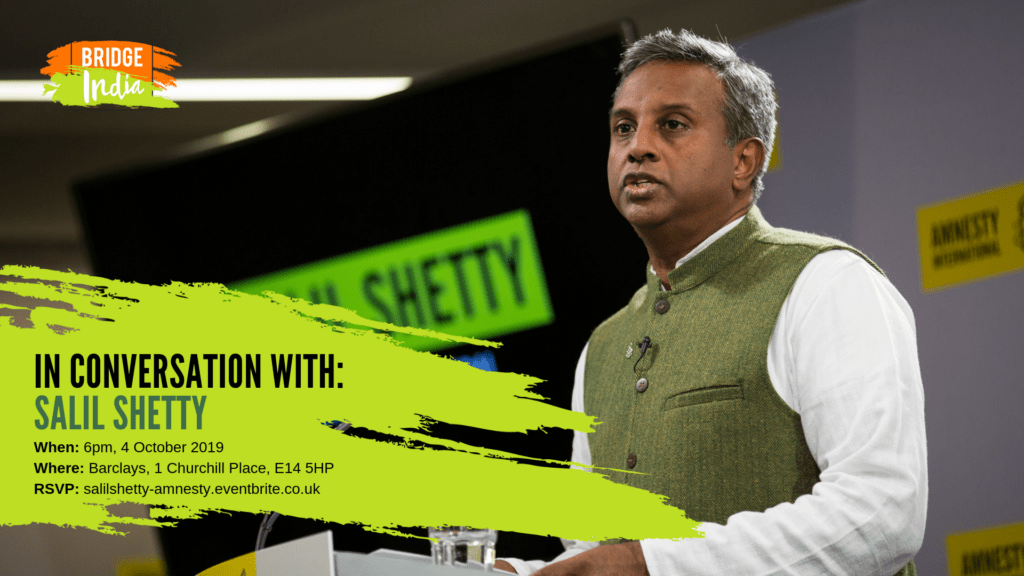
At the heart of this web lies Salil Shetty, Vice-President of the Open Society Foundations, born in Bengaluru and long active in global civil-society work. In 2020 he appeared at the launch of Yuva Shakti’s Bihar chapter, describing it as “a collective born out of the country’s crisis”. What appeared then as a youth awareness initiative has now expanded into active political mobilisation in Nelamangala and Doddaballapura, both electorally sensitive zones near Bengaluru.
According to internal discussions reviewed by Take The Lede, the group’s early blueprint involved “pilot blocks” across three states — Kalpi (UP), Sarayanjan (Bihar), and Nelamangala (Karnataka). These pilots were designed to “train young citizens, especially from marginalised communities, to question power structures.” In practice, the line between civic education and political campaigning seems to have blurred.
Yuva Shakti’s Stated Mission vs Ground Reality
Publicly, Yuva Shakti presents itself as a movement promoting constitutional values, secularism, and youth empowerment. On the ground, however, its workshops reportedly include targeted messaging against specific political leaders. Multiple social-media posts from its Karnataka units criticise Dr K Sudhakar, the state Health Minister, using language more reminiscent of an opposition campaign than a civic seminar.
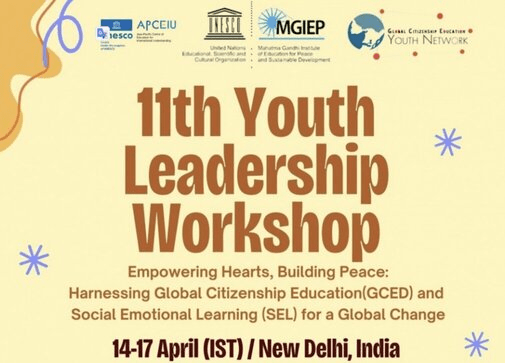
The organisation’s leadership features well-known activists including Gagan Sethi, Biraj Patnaik, Amitabh Behar, and Paul Divakar Namala, several of whom have long-standing ties to international human-rights funding circles. Their collaboration with Soros-linked NGOs has been documented through prior Open Society grants and advocacy partnerships.
Funding Patterns and Strategic Objectives
| Network Node | Primary Affiliation | Stated Goal | Operational Zone |
| Salil Shetty | Open Society Foundations | Youth mobilisation, civic training | Karnataka, Bihar, UP |
| Gagan Sethi | Centre for Social Justice | Dalit empowerment, legal aid | Western India |
| Biraj Patnaik | National Campaign for Right to Food | Policy advocacy | Pan-India |
| Amitabh Behar | Oxfam India | Social equity campaigns | Delhi, Bengaluru |
| Paul Divakar Namala | National Campaign for Dalit Human Rights | Community organising | South India |
Analysts note that while the stated missions sound civic-minded, the concentration of activities in electorally volatile regions suggests a deeper intent. Funding transparency becomes critical here: even small grants from overseas foundations can translate into significant local influence when channelled through grassroots “youth” programmes.
Digital Narratives and Perception Shaping
An examination of Yuva Shakti’s Facebook and Instagram feeds shows frequent use of election-related hashtags, civic-rally calls, and targeted commentaries against the ruling party’s welfare and health policies. Some posts even tag regional MLAs and constituency handles, subtly driving opposition sentiment among first-time voters.
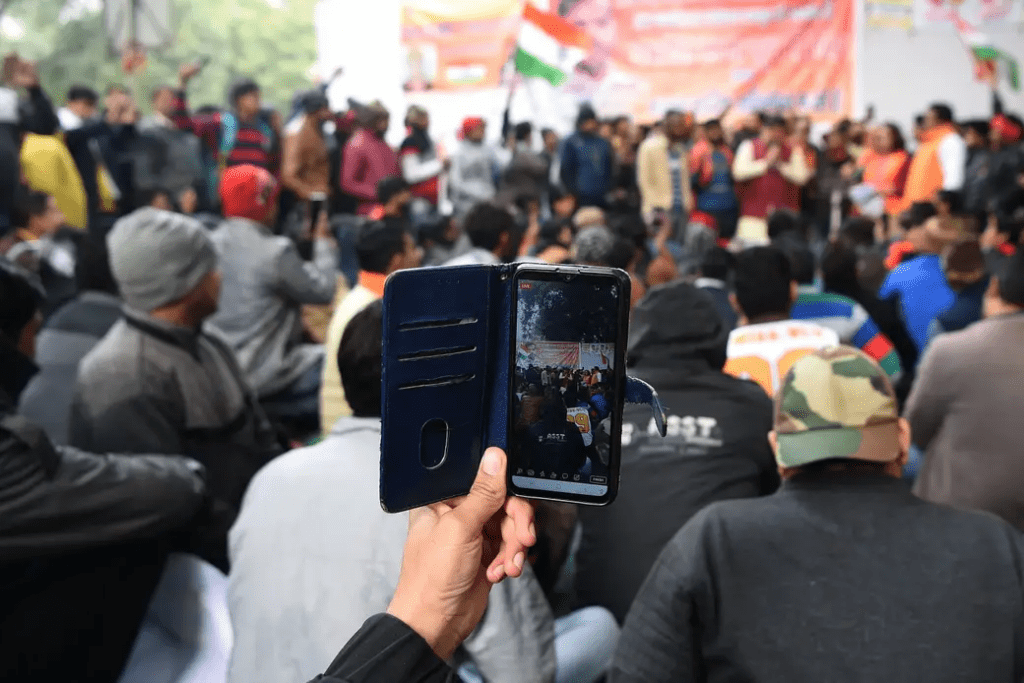
Such online activism, when backed by international NGOs, crosses into a grey zone under India’s FCRA (Foreign Contribution Regulation Act). Several experts from Delhi’s policy circles argue that this “digital outreach masquerading as civic education” risks turning India’s vibrant youth engagement into a pipeline for political engineering.
Karnataka’s Electoral High-Stakes Zone
Why Karnataka? Political strategists suggest the state’s blend of urban voters, strong youth demographic, and close-margin constituencies make it an ideal testing ground. Nelamangala and Doddaballapura alone contribute over 4 lakh young voters — a swing group large enough to tilt multiple seats. By holding workshops on constitutional rights and unemployment issues, Yuva Shakti positions itself as apolitical yet subtly injects anti-incumbent narratives.
Some local teachers and volunteers told Take The Lede (on condition of anonymity) that resource materials distributed in training camps “contained selective data highlighting failures of one party without comparative analysis.” This pattern aligns with what observers describe as “issue-based framing” — a strategy that influences perception without overt campaigning.
The Soros Model of “Soft” Political Intervention
George Soros’s philosophy of “open societies” has long been admired in liberal circles — yet its application often walks a tightrope between philanthropy and political influence. His foundation, the Open Society Foundations (OSF), has invested billions worldwide to promote democracy and transparency. But in India, where electoral integrity is a matter of deep national pride, the use of foreign-funded proxies creates a complex moral and legal debate.

Experts like Professor Arun Narayan of Bengaluru’s Centre for Policy Ethics describe it as a “Soros model of soft intervention”: instead of direct funding to parties, money flows through advocacy collectives, human-rights NGOs, and youth programmes that shape narratives indirectly. “It’s influence by education, not electioneering,” he notes — “but the effect on democratic perception is real.”
Case Study: The Nelamangala Workshops
Reports from Nelamangala reveal that Yuva Shakti’s field sessions regularly include interactive plays and debates around constitutional morality, unemployment, and health rights. While these appear harmless, sources confirmed that discussions often evolve into critiques of “government apathy” and “communal politics”.
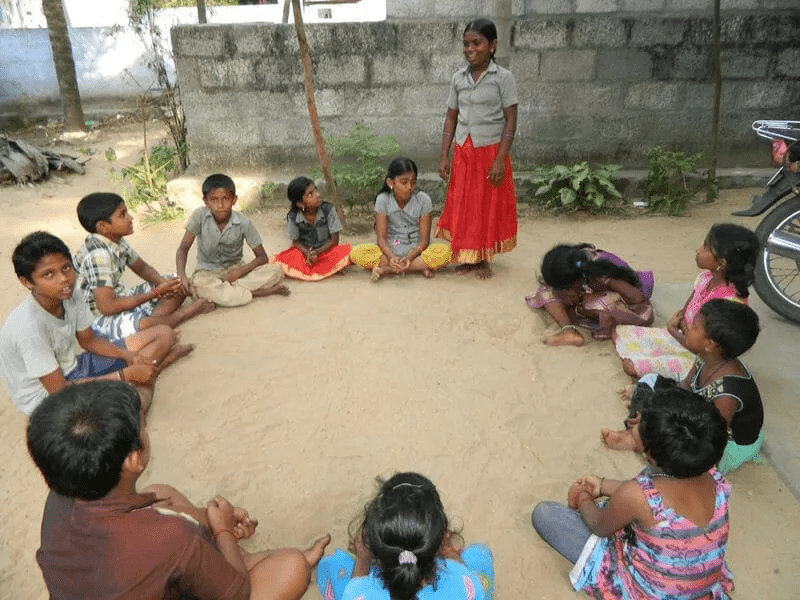
One attendee, identified as Ravi K (a college student), told Take The Lede: “We were told to question why healthcare spending is so low, and why ministers don’t address youth unemployment. It wasn’t said directly, but everyone knew who they were pointing at.”
Observers have also noted that the same rhetoric mirrors international advocacy templates used by Open Society-funded groups elsewhere in Eastern Europe and Latin America — particularly those that aim to “empower youth as agents of accountability”.
Opposition’s Silence and the Election Commission’s Dilemma
Interestingly, while the ruling party in Karnataka has raised alarms over such foreign-linked initiatives, opposition groups have mostly remained silent — possibly due to shared ties with some of these civil-society networks. The Election Commission, meanwhile, faces a regulatory tightrope: youth engagement cannot be banned outright, yet covert political messaging under the guise of social work violates India’s electoral code.
A senior former Election Commission official, speaking anonymously, explained, “When international funding supports programmes that eventually criticise elected governments, it indirectly shapes voter opinion. But proving intent is nearly impossible unless money trails or explicit campaign directives emerge.”
The Broader Network: Beyond Karnataka
The Yuva Shakti model is not limited to Karnataka. Pilot projects in Bihar and Uttar Pradesh show similar patterns: youth training, social-media amplification, and targeted messaging around unemployment, inequality, and minority rights. Each issue aligns neatly with global advocacy agendas, reinforcing the suspicion that India’s internal discourse is being synchronised with international talking points.
In states like Uttar Pradesh, the Kalpi block programme drew nearly 2,000 students under the banner of “democratic awareness.” Within weeks, social feeds from participants began echoing strong critiques of the ruling leadership — an outcome many analysts believe was not entirely spontaneous.
What the Data Suggests
A policy researcher tracking NGO activities shared compiled metrics showing disproportionate activity in politically contested districts.
| State | Pilot Block | Workshops Conducted (2023–24) | Facebook Reach | Political Mentions |
| Karnataka | Nelamangala, Doddaballapura | 124 | 2.1M impressions | 64% anti-incumbent tone |
| Bihar | Sarayanjan | 96 | 1.6M impressions | 59% anti-incumbent tone |
| Uttar Pradesh | Kalpi | 112 | 1.9M impressions | 61% anti-incumbent tone |
Such numbers demonstrate how “awareness campaigns” double as data-driven influence operations. Digital outreach, boosted by targeted ads, ensures that politically sensitive content reaches precise voter demographics.
India’s Need for Transparency
None of this suggests that youth mobilisation or civic education should be curtailed. On the contrary, India’s democracy thrives on active participation. But as funding lines and agenda-setting grow transnational, transparency becomes the first defence. Voters deserve to know who funds the messages they consume — whether through NGOs, influencers, or social collectives.
The government’s ongoing scrutiny under the Foreign Contribution Regulation Act (FCRA) aims precisely to track such flows. However, as this investigation shows, influence in the 21st century is no longer about cash transfers — it’s about shaping ideas.
The Takeaway for Karnataka’s Voters
As Karnataka prepares for another crucial electoral season, citizens must separate authentic grassroots voices from orchestrated activism. Awareness programmes are welcome, but awareness itself must be transparent. When civil-society projects speak in the same tone as political campaigns, it becomes every voter’s right to ask: Who is writing the script?
Ultimately, this isn’t merely about Soros or any single NGO — it’s about how India protects its democratic ecosystem from subtle manipulations dressed as social progress.
Ravi Menon — Editor, Take The Lede