
A 5-0 statement to close 2025
The sl-w vs indw series didn’t just end with a trophy lift, it ended with a message: India can squeeze games even when the opponent has a platform. The final night summed it up. India posted 175, Sri Lanka finished 160/7, and the margin was 15 runs under pressure.
Early in the chase, the mood looked different. Sri Lanka had momentum at 86/1 after 11 overs, and the india women’s national cricket team vs sri lanka women match scorecard felt wide open for a while. Then the tempo shifted, and it never came back.
Why the final game felt like a playoff
The target was gettable on paper, especially after Sri Lanka’s bigger chase in the previous match. But 176 still demands sustained boundary options, not just a clean start.
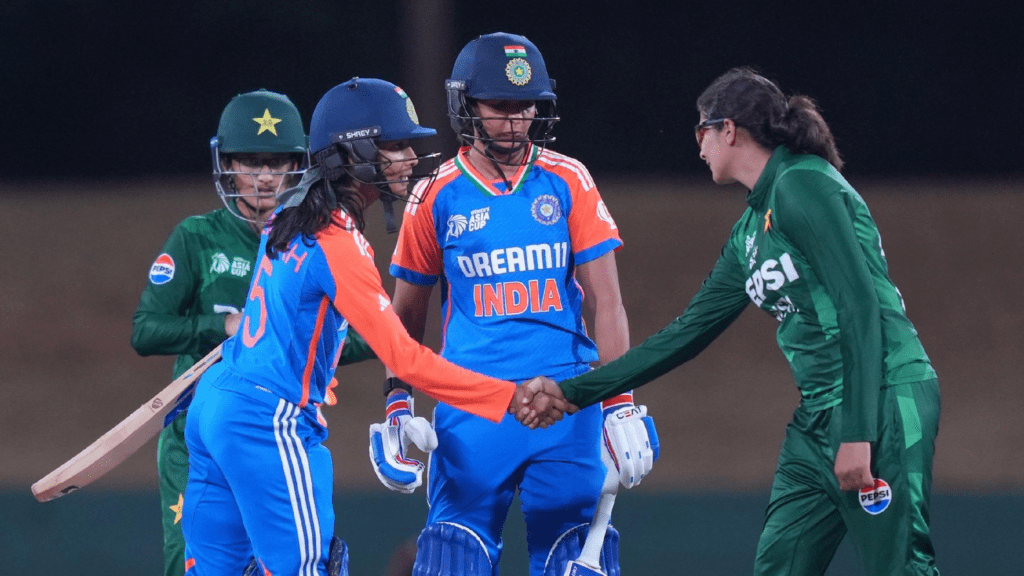
India’s bowling unit kept asking the same question: can you hit cleanly when the required rate climbs and the field tightens? Sri Lanka couldn’t answer it consistently.
The year-end context that matters
For India, 2025 became a landmark year, with confidence spilling from one format into another. The team’s energy felt like a group saying, “हम तैयार हैं,” not a group surviving on talent alone.
That sets the tone for 2026 planning, where the next big checkpoint is global competition, and every series becomes rehearsal.
How India built 175 without perfect starts
India’s innings was not a smooth opening stand story. The top had a wobble, and yet the final total became imposing because the middle and death overs were played with clearer intent.
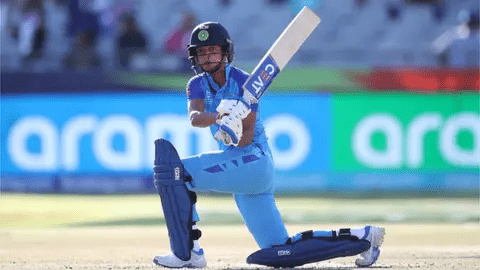
Harmanpreet Kaur’s approach stood out: she didn’t just rebuild, she accelerated. That intent theme keeps returning when you read the india women’s national cricket team vs sri lanka women match scorecard across the series.
Harmanpreet’s role: control plus acceleration
She played like a captain managing two clocks at once: one for stability, one for the finish. When the bowlers missed, she punished; when they went straight, she still found rotation.
That balance is the difference between 155 and 175 on many nights.
Late overs: small cameos, big damage
Amanjot Kaur’s handy contribution and Arundhati Reddy’s late burst added runs that change chases. In T20, a 10-run swing is often the match, not a footnote.
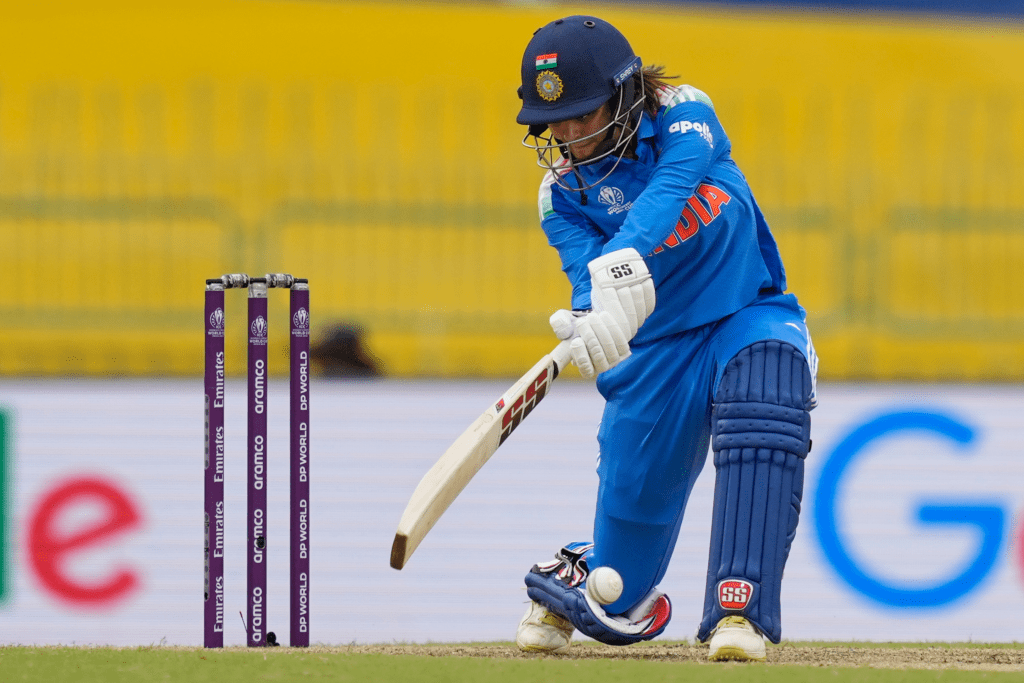
India created that swing at the death and made Sri Lanka chase a slightly higher class of target.
The chase: 86/1, then the squeeze
Sri Lanka had a strong phase built around Hasini Perera and Imesha Dulani, and the plan looked sensible: anchor plus boundary bursts. Once Dulani fell at the start of the 12th, the chase began to feel like it was chasing itself.
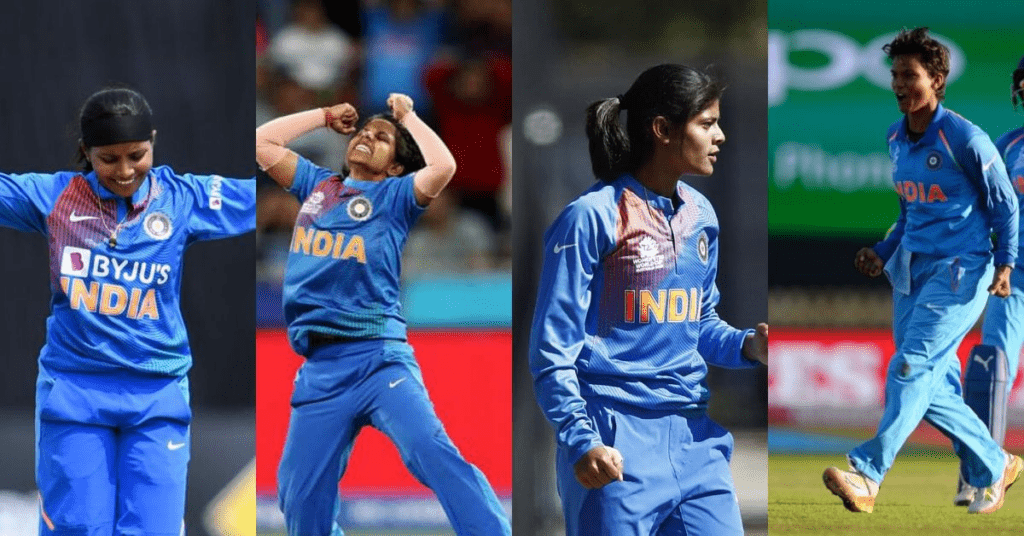
From there, India used pace changes, hard lengths, and disciplined fields to force risk. The score kept moving, but wickets kept arriving.
Perera’s 65 and the missing partners
Perera’s 65 off 42 was the innings of real fight, the kind that normally keeps a team alive. The problem was the gaps around her. Partners came and went, and the required rate didn’t pause for anyone.

When your best hitter is forced to farm strike too early, the plan becomes “hope,” not structure.
Six bowlers, six wickets: a rare kind of control
India’s spread of wickets across the attack showed a complete unit. It wasn’t one spell winning the match, it was a chain of overs where each bowler delivered a role.

That’s also why the sl-w vs indw narrative reads as clinical, not just dominant.
A quick match snapshot table you can trust
This table captures the match spine without drowning you in ball-by-ball detail, and it aligns with what the india women’s national cricket team vs sri lanka women match scorecard tells you at a glance.
| Match focus (5th WT20I) | India Women | Sri Lanka Women |
| First-innings total | 175 | — |
| Chase target | — | 176 |
| Final score | — | 160/7 |
| Result | Won by 15 runs | Lost by 15 runs |
| Key chase stand (mid-innings) | Pressure built | 86/1 after 11 overs |
| Top chase score | — | Hasini Perera 65 (42) |
The fielding concern India can’t ignore
Even in a 5-0 sweep, India’s fielding created uncomfortable moments. Drops don’t always hurt against overmatched opposition, but the habit travels into bigger games.
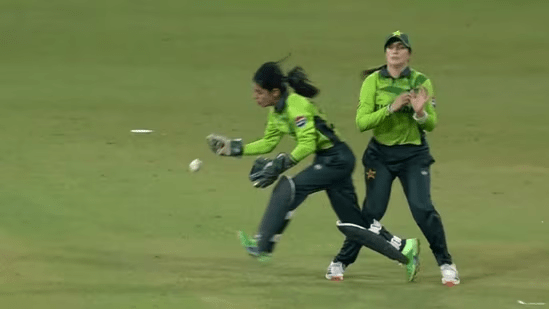
If the goal is to beat the best, then standards must look the same on Day 1 and Day 30. Ask yourself: can a title contender afford “off days” in the circle when knockout margins are tiny?
What dropped chances do to a bowling plan
A missed catch forces extra overs of containment, and containment overs cost energy. Bowlers begin to chase magic balls instead of sticking to percentage lines.
That’s how a chase like 86/1 can happen even when your bowling is largely disciplined.
Fixing it without overhauling everything
The solution is not dramatic. It is repeatable work: better first-step movement, cleaner hands, sharper throwing lanes, and clearer calling. छोटी चीजें ही बड़े मैच जीताती हैं.
This is the kind of improvement that shows up quietly, then saves you loudly.
What players said: intent, habits, and the next six months
India’s leadership framed 2025 as rewarding because hard work started turning into repeatable results. The batting group focused on strike rates and intent, and the messaging was clear: keep repeating the habits.
At the same time, Sri Lanka’s captain pointed to power-hitting gaps and the need for seniors to lift their output. That honesty matters if Sri Lanka wants the next scorecard to look different.
Shafali’s series output and the confidence loop
Shafali Verma’s series runs and consistency became a headline because it reflected long-term preparation. When confidence rises, you play freer; when a few games fail, you train harder. That loop is real in elite sport.
Her performance also adds depth to the sl-w vs indw story: this wasn’t one player carrying, it was a squad showing options.
Sri Lanka’s positives: youth minutes that matter
Sri Lanka can still take value from the youngsters who stepped up. The last two games showed better batting intent, and that matters for squad belief.
But belief needs backing: boundary power, clearer roles, and finishing skills under scoreboard stress.
2026 lens: from Sri Lanka to bigger tests
The next stage is tougher opponents, and the reference point many fans jump to is india vs australia. Those matchups punish sloppy fielding and reward ruthless execution.
India’s job is to carry the same discipline from sl-w vs indw into higher-pressure series, where 15 runs can flip fast and where one dropped catch can decide a tournament night.
What must travel forward from this sweep
India should keep:
- Intent-driven middle overs that don’t stall
- Multiple wicket-taking options, not one hero spell
- Clear batting roles, especially in transitions between formats
And India must upgrade:
- Catching standards in routine chances
- Ground fielding urgency in the ring
- End-over clarity when the rate spikes
A simple fan checklist before the next big series
Before the next major assignment, including india vs australia, watch for three tells:
- Do India start fast without losing structure?
- Do they convert half-chances into wickets in the field?
- Do they finish innings with 20+ in the last two overs more often than not?
Those answers will shape how dangerous India looks when the stakes are highest, and they will decide whether the next india women’s national cricket team vs sri lanka women match scorecard is just a win, or a blueprint.
Momentum management under pressure situations
One of the quiet strengths India showed in sl-w vs indw was momentum control. When Sri Lanka threatened to run away with the chase, India did not panic. Overs were shortened in the batters’ minds through slower balls, subtle field shifts, and calm body language.
This is not accidental. It reflects preparation that goes beyond nets and fitness drills. It is about reading moments. In T20 cricket, the game often turns in two overs, not twenty.
Reading the game at 86/1

At 86/1 after 11 overs, Sri Lanka were ahead of India’s own position at the same stage. The danger moment was obvious. India responded by:
- Bringing back spinners with attacking fields
- Cutting easy singles square of the wicket
- Forcing new batters to hit straight against the spin
That sequence squeezed time rather than runs, and pressure followed naturally.
Why wickets mattered more than dots
India accepted a few singles but hunted wickets. This approach shifts the chase psychology. New batters walk in thinking about survival, not scoring. That mindset gap is often visible later in the india women’s national cricket team vs sri lanka women match scorecard, where wickets fall in clusters.
Strike-rate focus: the real theme of the series
Throughout the sl-w vs indw series, strike rate became a central metric, not just runs scored. India’s leadership openly framed this shift as deliberate. Batters were encouraged to keep the scoreboard moving even during consolidation phases.
This focus explains why totals looked competitive even when starts were uneven.
ODI habits vs T20 instincts
Several players spoke about the challenge of switching formats. In ODIs, playing along the ground and pacing an innings is essential. In T20s, hesitation costs more than a mistimed shot.
India leaned into this difference. The result was innings that rarely stalled completely, even when wickets fell.
Confidence built through repetition
Confidence did not come from one explosive game. It came from repeating intent across five matches. When players see the same approach work again and again, hesitation disappears.
That confidence loop is one reason the series never felt close overall, despite moments where Sri Lanka pushed hard.
Sri Lanka’s learning curve from the sweep
A 5-0 scoreline can hide progress, but Sri Lanka did show growth, especially with the bat in the final two matches. The issue was not effort, it was sustainability.
Big chases require depth, not just a strong top order.
Power-hitting gap explained simply
Sri Lanka struggled to clear the rope regularly once the field spread. Without enough boundary hitters in the lower middle order, the required rate climbed too quickly.
This is not just a skill issue. It is also about role clarity:
- Who attacks spin in overs 7–12?
- Who targets pace at the death?
- Who absorbs pressure when a partner falls?
Until those answers are fixed, close scorecards will keep slipping away.
Seniors and responsibility
Sri Lanka’s leadership acknowledged that experienced players need to do more. That honesty is important. Younger players gained exposure, but senior runs and calm finishes are what turn promise into wins.
Comparing intensity with elite benchmarks
When fans compare sl-w vs indw to fixtures like india vs australia, the gap becomes clear. Against elite sides, India’s dropped chances would be punished immediately.
That comparison is useful, not uncomfortable.
What elite teams punish instantly
Top teams convert:
- One missed catch into a 20-run over
- One loose over into match momentum
- One misfield into psychological pressure
India’s dominance masked these risks in this series, but future opponents will not be as forgiving.
Why addressing flaws now matters
Winning while identifying weaknesses is a luxury. India have that luxury now. Fixing fielding standards during a winning cycle is far easier than doing it after a knockout loss.
The question is simple: will the urgency match the ambition?
Fans, expectations, and the road ahead
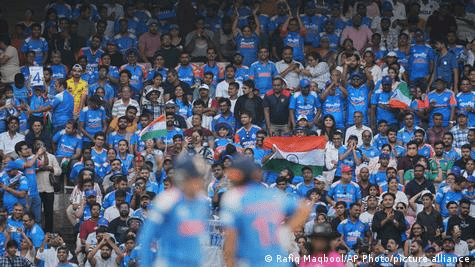
Indian fans have grown used to dominance at home and in bilateral series. Expectations rise quickly. A 5-0 sweep now feels like confirmation, not surprise.
But expectations also bring scrutiny, especially as bigger tournaments approach.
What supporters should realistically expect
From this group, fans can expect:
- Competitive totals even after early wickets
- Bowlers who adapt rather than panic
- Leaders who communicate intent clearly
What fans should still demand improvement in:
- Catching consistency
- Boundary protection in the deep
- Clean finishes in tight chases
These details decide trophies, not series margins.
A question worth asking before the next tour
When the next high-pressure series begins, including india vs australia, will India look sharper in the field than they did here? If the answer is yes, then this sl-w vs indw sweep will be remembered as a foundation, not just a result.
Why this series still matters beyond the scoreline
At first glance, the india women’s national cricket team vs sri lanka women match scorecard tells a straightforward story: five matches, five wins. Look closer, and it becomes a study in habit-building.
India learned how to:
- Recover from imperfect starts
- Defend totals without panic
- Win while openly discussing flaws
Sri Lanka learned where belief is not enough without structure.
The real takeaway for neutral fans
For neutral followers of women’s cricket, the series highlighted a growing gap at the top level. Bridging that gap will require investment, exposure, and patience for developing sides.
For India, the task is different: staying sharp when winning feels routine.