
Shivratri 2025, also known as Maha Shivaratri, holds a special place in the Hindu spiritual calendar. Every year, devotees search for shivratri date 2025 and maha shivaratri 2025 date to align fasting, prayers, and night-long worship with the correct tithi. In 2025, this sacred night once again brings together silence, devotion, and inner focus.
Unlike festivals marked by outward celebration, Shivratri turns attention inward. It is associated with discipline, awareness, and surrender. The 2025 maha shivaratri date falls at a moment when winter begins to recede, symbolizing renewal at both cosmic and personal levels.
For many, shivratri 2025 is not just a religious observance. It is a pause. A night to stay awake, chant, reflect, and reconnect with something deeper.
Maha Shivaratri 2025 Date and Calendar Clarity
One of the most common questions each year is whether Shivratri falls on one date or the next. In 2025, clarity matters because the tithi overlaps midnight.
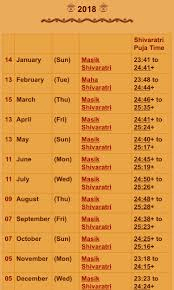
According to traditional calendars, Maha Shivratri 2025 will be observed on Wednesday, February 26. The Nishita Kaal Puja, considered the most powerful moment of the night, occurs after midnight.
Exact Puja Timing for 2025
For those planning night worship, the Nishita Kaal Puja will be performed from 12:09 AM to 12:59 AM on February 27. This timing defines the spiritual core of the festival.
Why Some Calendars Show Two Dates
The confusion around 2025 shivaratri date comes from lunar calculations. Shivratri is observed on the Chaturdashi Tithi of Krishna Paksha, which often spans two Gregorian dates.
Regional Observance of Shivratri
While the spiritual essence remains the same, the calendar reference can vary by region. In North India, Shivratri is associated with the month of Phalgun. In South India, it is linked to Magh month Chaturdashi.
Despite these differences, devotees across India observe Maha Shivaratri 2025 with the same intention and reverence.
Unity Beyond Calendars
Whether one refers to it as shivratri 2025 or 2025 maha shivaratri date, the night remains dedicated to Lord Shiva and spiritual discipline.
Seasonal Transition and Meaning
Shivratri often arrives at a time of transition, when nature prepares for change. This timing reinforces the idea of inner cleansing and readiness.
Spiritual Meaning of Maha Shivratri
Maha Shivaratri is often described as the night of awakening. It symbolizes victory over darkness, ignorance, and inertia. Staying awake through the night represents alertness of consciousness.
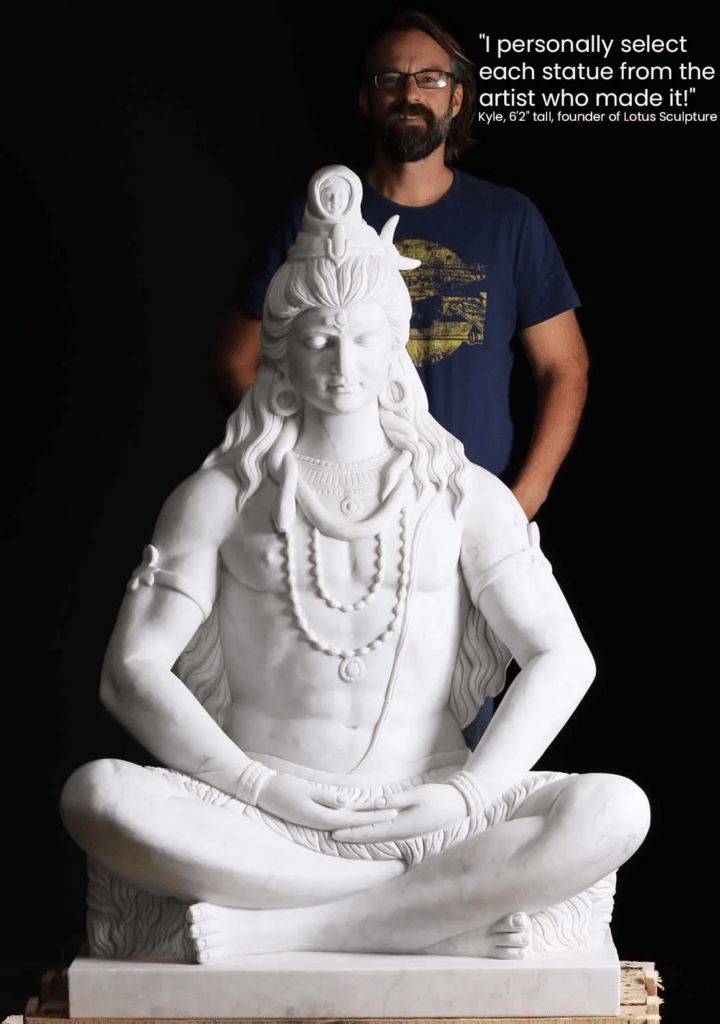
In Shaivism, it is believed that Lord Shiva performed the cosmic dance on this night, embodying creation, preservation, and dissolution. This rhythm reflects life itself.
The Union of Shiva and Parvati
Another central belief links Shivratri to the divine union of Lord Shiva and Goddess Parvati. This union represents balance between masculine and feminine energies, stillness and movement.
Why Devotees Fast and Stay Awake
Fasting and night vigil are acts of discipline. They are believed to help channel energy upward, away from distraction.
Is it coincidence that the quietest festival creates the deepest impact?
Maha Shivaratri 2025 Rituals and Practices
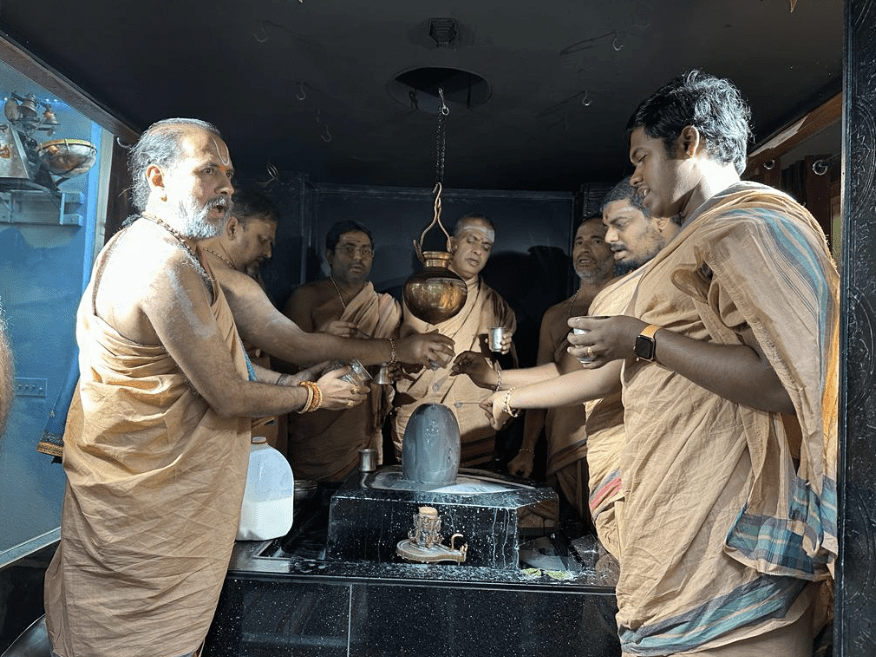
Rituals on Shivratri are simple but symbolic. They focus on purity, repetition, and intention rather than grandeur.
Devotees begin the day with an early bath and maintain a fast. Temples remain active through the night, filled with chants and lamps.
Common Offerings to Lord Shiva
Offerings usually include:
- Bael leaves and flowers
- Milk, honey, and water
- Fruits and light sweets
Each item carries symbolic meaning linked to balance and surrender.
Worship of the Shiva Linga
The Shiva Linga is bathed and decorated multiple times during the night. This continuous worship reflects constancy and devotion.
Night Worship and Temple Observances
As evening approaches, temples become gathering spaces. Lamps are lit, bells ring softly, and chants fill the air. Many devotees remain inside temple premises until dawn.
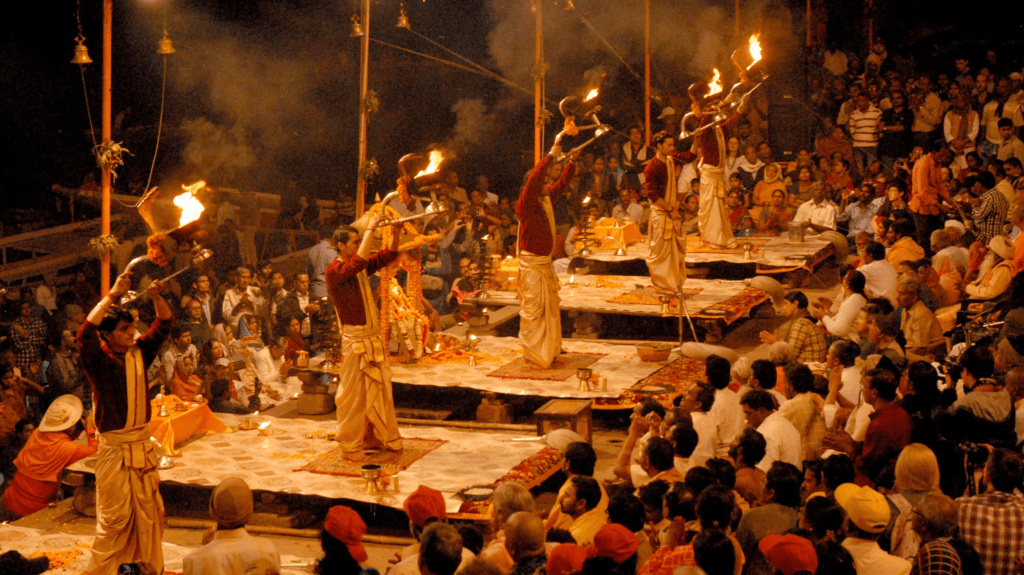
In several regions, grand processions of Lord Shiva and Goddess Parvati are taken out at night, adding visual devotion to spiritual practice.
The Role of Silence and Chanting
Silence between chants is as important as sound. Together, they create rhythm and awareness.
Ending the Fast
After night worship, devotees break their fast with a light sattvik meal, often consisting of fruits and non-cereal foods.
Maha Shivaratri 2025 Across India
Maha Shivaratri 2025 will be observed with devotion across temples, homes, and pilgrimage centers. While the rituals remain rooted in tradition, regional expressions add depth to the celebration. From Himalayan shrines to coastal temples, the night carries a shared rhythm of prayer and restraint.
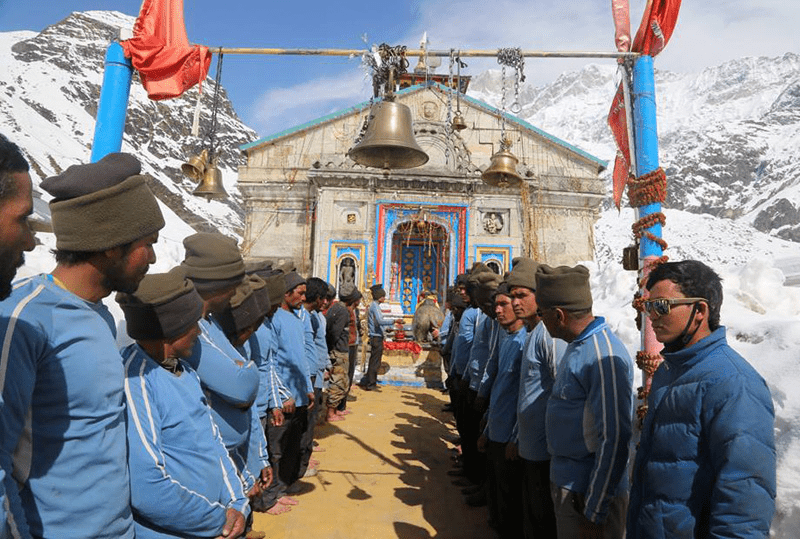
In many regions, devotees travel long distances to offer prayers. Others observe the night quietly at home. Both paths are equally meaningful, reflecting personal faith.
Temple-Based Observances
Major temples remain open through the night. Devotees line up patiently, offering prayers in cycles that continue until dawn.
Home Worship Traditions
At home, families set up a simple altar. The focus stays on repetition, cleanliness, and calm intent rather than scale.
Fasting Practices on Shivratri
Fasting is a central aspect of Shivratri 2025. While practices differ, the idea remains consistent: reduce physical intake to sharpen awareness.
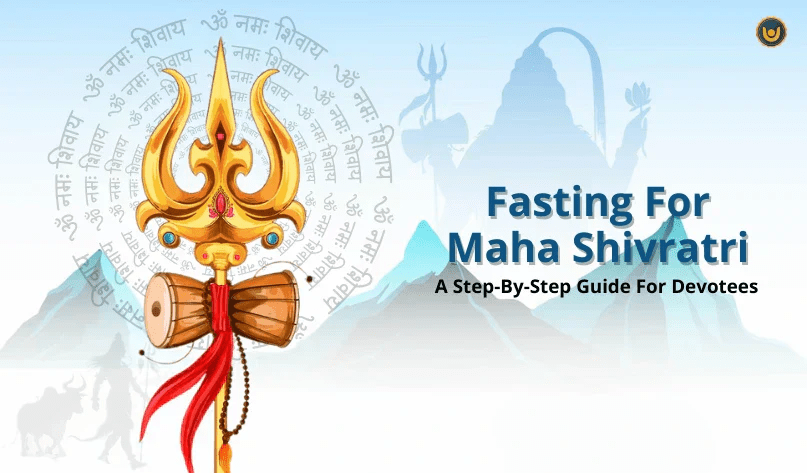
Some observe a strict fast without food or water. Others follow a partial fast with fruits and milk.
Common Types of Fasting
Devotees usually choose from:
- Nirjala fast without food or water
- Phalahar fast with fruits and milk
- Light sattvik meals after midnight puja
The choice depends on health, age, and personal capacity.
Spiritual Purpose of Fasting
Fasting is seen as a tool for discipline. It helps detach attention from the body and redirect it inward.
The Role of Chanting and Mantras
Chanting plays a vital role during Maha Shivaratri. Repetition of Shiva mantras creates continuity through the night and anchors the mind.
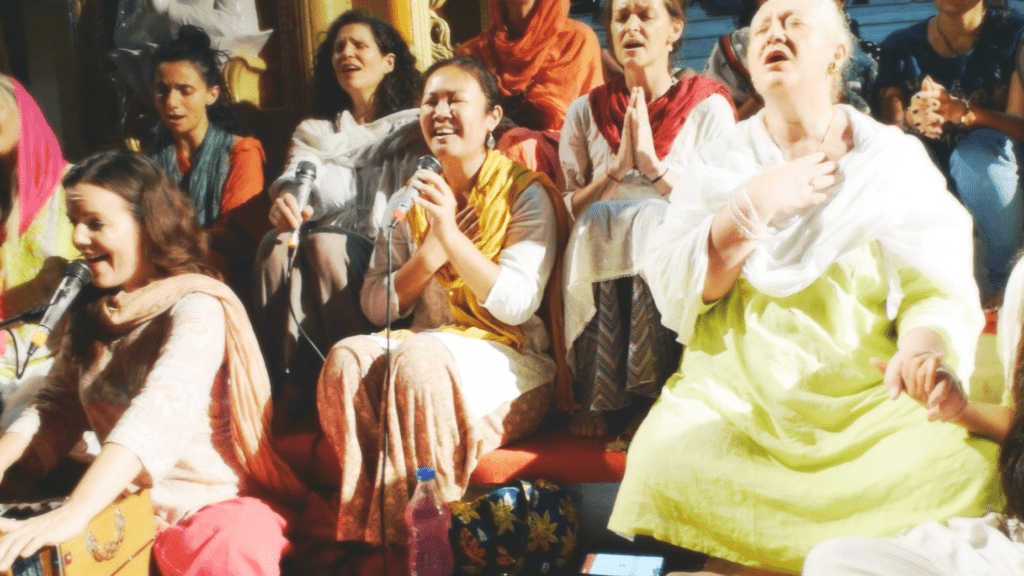
Many devotees chant silently, others in groups. The sound becomes secondary to rhythm and intent.
Popular Forms of Chanting
Common practices include:
- Repetition of Shiva’s name
- Mantra chanting during abhishekam
- Silent meditation between prayers
Each form supports focus and calm.
Symbolism of the Night Vigil
Staying awake through the night is not an act of endurance alone. It symbolizes awareness. Shivratri encourages devotees to remain alert to thought, action, and intention.
Night worship aligns with the belief that this period carries heightened spiritual potential.
Why Night Holds Significance
Darkness represents ignorance. Remaining awake symbolizes readiness to move beyond it.
Maha Shivaratri 2025 and Personal Reflection
Beyond ritual, Shivratri 2025 offers space for reflection. Many use the night to evaluate habits, patterns, and inner noise.

This inward pause often feels rare in daily life. Shivratri creates permission to stop, even briefly.
A Night Without Distraction
Phones stay aside. Conversations soften. Attention turns inward.
Isn’t it striking how stillness can feel more powerful than celebration?
Dates and Timings at a Glance
| Event | Date | Time |
| Maha Shivaratri 2025 | February 26 | All day |
| Nishita Kaal Puja | February 27 | 12:09 AM – 12:59 AM |
| Fast Observance | February 26 | Sunrise to puja end |
This overview helps devotees plan fasting and worship without confusion around dates.
Why Shivratri 2025 Remains Relevant
Shivratri continues to resonate because it asks little and offers depth. No elaborate setup is required. Only attention, restraint, and intention.
Whether observed in a crowded temple or a quiet room, the meaning remains intact.
Shivratri 2025 stands as a reminder that transformation does not always arrive with noise. Sometimes, it arrives in silence.