
Every year, Navratri arrives as a celebration of divine energy — shakti, devotion, and color. In 2025, Shardiya Navratri will be observed from September 22 to October 2, uniting millions of devotees who honour Goddess Durga in her nine magnificent forms.
These nine days, known as Navratri ke nau din, are not just about fasting or rituals but about immersing oneself in spiritual discipline through symbols — and among them, colour holds a powerful place.
As per tradition, each day of Navratri is assigned a specific hue, representing the qualities of the goddess worshipped on that day. Wearing that color is believed to invite her blessings and balance the energies of the mind and soul. In a way, these colours act as a spiritual code — a language between devotees and divinity.
Understanding the Importance of Navratri 2025
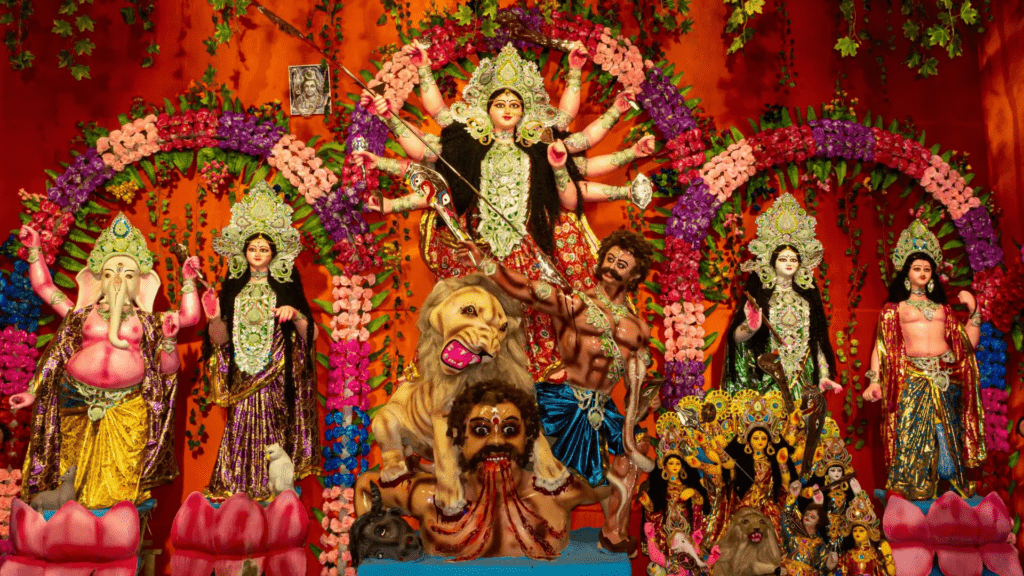
Navratri, which literally means “nine nights,” is celebrated four times a year — Chaitra Navratri, Magha Gupt Navratri, Ashadha Gupt Navratri, and Shardiya Navratri. Among these, Chaitra (March–April) and Shardiya Navratri (September–October) are the most widely observed.
In 2025, the focus will be on Shardiya Navratri, falling during the month of Ashwina in the Hindu lunar calendar. Across India, devotees perform Durga Puja, observe fasts, and decorate their homes with flowers, lamps, and red threads symbolizing protection.
In North India, temples in Varanasi, Lucknow, and Kanpur will host Maha Aarti ceremonies, while in Bengal, Kolkata will witness its grand Durga Puja pandals. Each region celebrates with its rhythm, but the spiritual undertone remains the same — the victory of good over evil.
The Role of Colour During Navratri
Colours during Navratri are not arbitrary choices. They reflect both emotional and cosmic balance. For many women, following the Navratri 9 colours tradition adds a personal connection to the goddess of each day.
A devotee from Jaipur, Meena Joshi, shared, “When I wear the day’s colour, I feel aligned with the energy of Maa Durga. Jaise rang, waise mann ka bhaav — the colour sets my intention.”
From white’s serenity to red’s passion, every hue reflects one divine aspect of femininity.
Navratri 2025 Colours with Date and Goddess
The following table presents the day-wise Navratri 2025 colours, corresponding goddesses, and their symbolic meanings:
| Date | Day | Goddess | Colour | Meaning |
| September 22, 2025 | Day 1 | Maa Shailputri | White | Purity and peace |
| September 23, 2025 | Day 2 | Maa Brahmacharini | Red | Devotion and strength |
| September 24, 2025 | Day 3 | Maa Chandraghanta | Royal Blue | Calmness and prosperity |
| September 25, 2025 | Day 4 | Maa Kushmanda | Yellow | Energy and joy |
| September 26, 2025 | Day 5 | Maa Skandamata | Green | Growth and compassion |
| September 27, 2025 | Day 6 | Maa Katyayani | Grey | Balance and courage |
| September 28, 2025 | Day 7 | Maa Kaalratri | Orange | Power and determination |
| September 29, 2025 | Day 8 | Maa Mahagauri | Peacock Green | Renewal and forgiveness |
| September 30, 2025 | Day 9 | Maa Siddhidatri | Pink | Harmony and love |
This colour calendar allows devotees to align their attire and rituals each day, creating a sense of rhythm and unity throughout the festival.
Day 1: The Purity of White (Maa Shailputri)
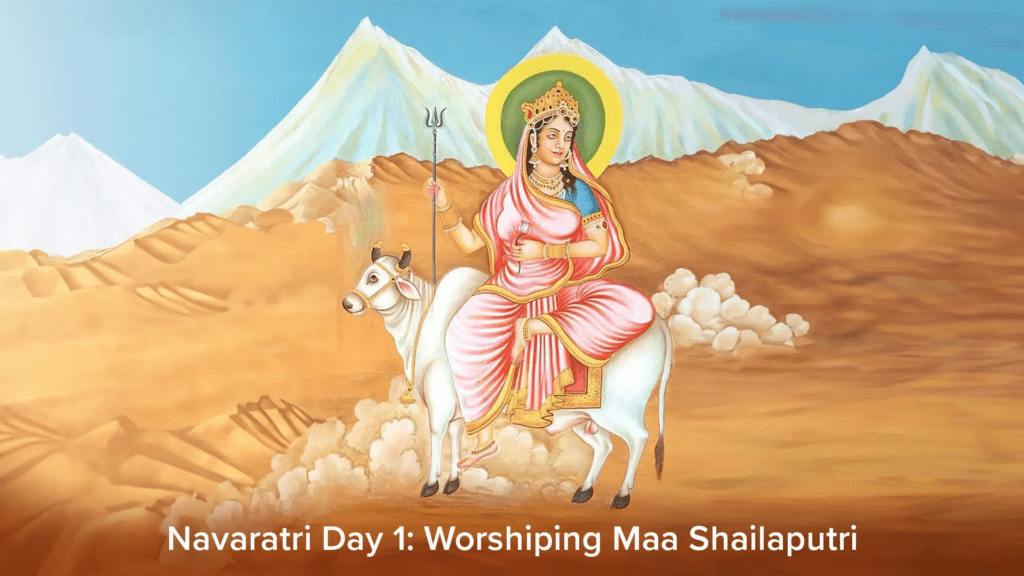
White marks the beginning of Navratri — it is the colour of purity, simplicity, and faith. Devotees worship Maa Shailputri, the daughter of the Himalayas, who symbolizes steadfastness and grounding energy. Wearing white clothes or adorning the temple with jasmine flowers brings calmness to the heart.
In places like Varanasi, devotees chant, “Om Devi Shailputryai Namah,” invoking her for peace and stability in life.
Day 2: The Energy of Red (Maa Brahmacharini)
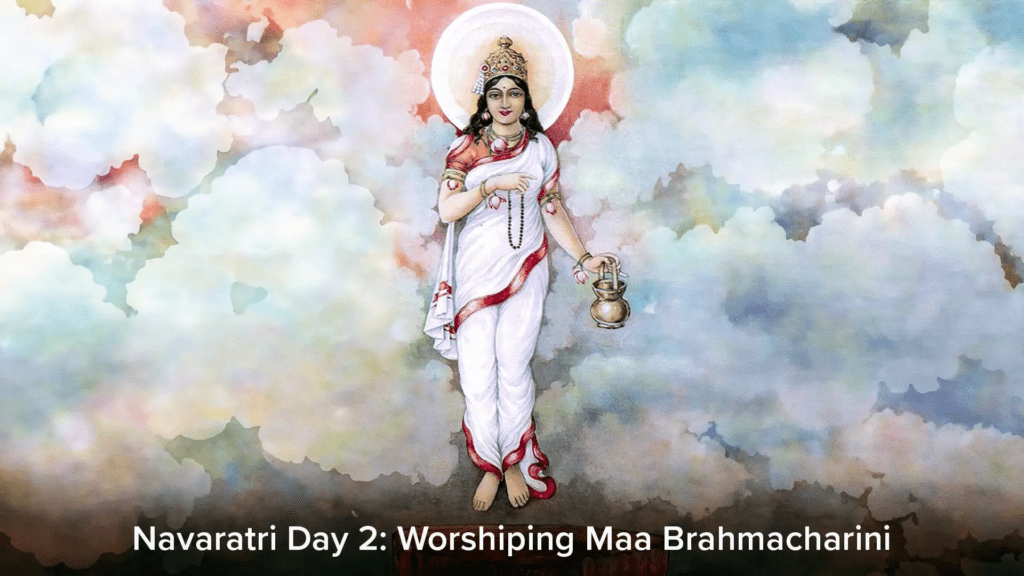
The second day belongs to Maa Brahmacharini, the embodiment of penance and devotion. The colour red signifies strength, courage, and love — laal rang shakti ka pratik hai. Women wear red sarees, apply vermilion (sindoor), and offer red hibiscus to the goddess.
This colour also reminds one to stay passionate in prayer and purposeful in action. Red uplifts energy and inspires confidence — ideal for those beginning new ventures during Navratri 2025.
Day 3: The Majesty of Royal Blue (Maa Chandraghanta)
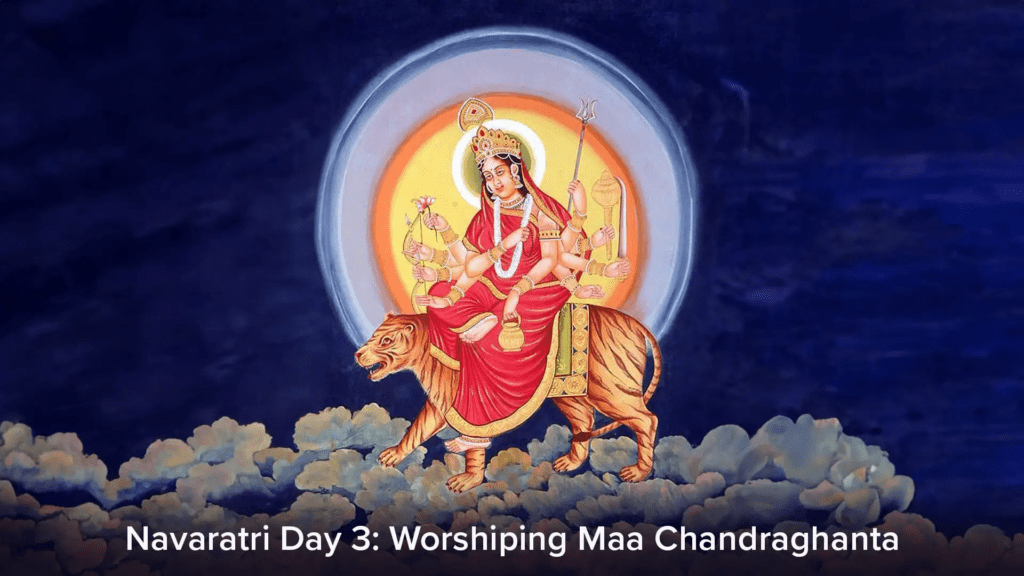
Royal Blue represents serenity blended with regal power. Worshippers of Maa Chandraghanta, known for her crescent moon crown and protective grace, wear this colour to seek tranquility and prosperity.
This shade, a mix of deep blue and spiritual depth, is often chosen by office-goers who balance modern life with tradition. In contemporary India, even corporate offices celebrate Navratri Colours 2025 by encouraging themed dress codes — a new-age reflection of old customs.
Day 4: The Joy of Yellow (Maa Kushmanda)
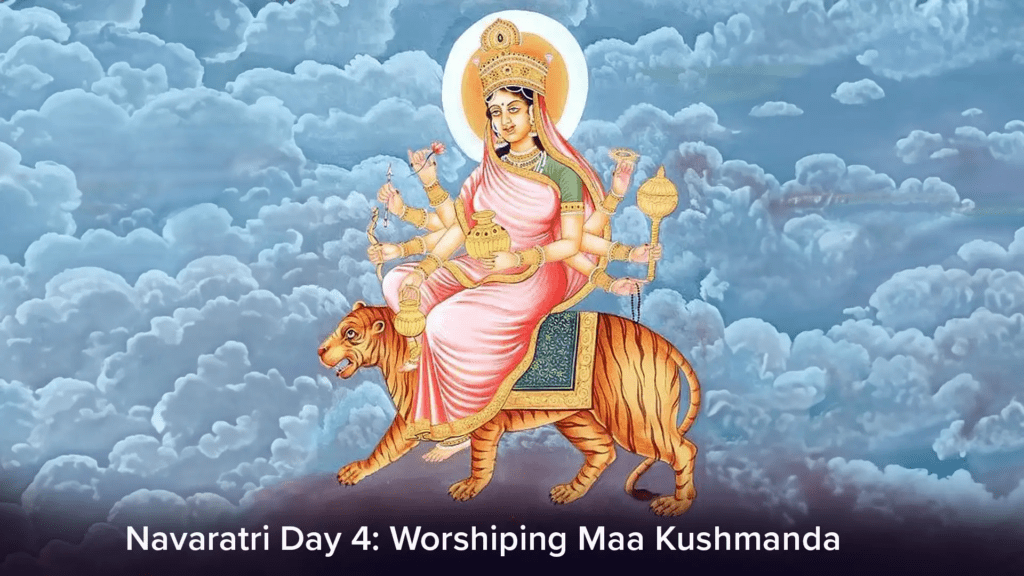
On the fourth day, Maa Kushmanda is worshipped — she is believed to have created the universe through her radiant smile. Yellow stands for vitality, intellect, and happiness. People decorate homes with marigolds and prepare halwa-puri offerings as part of the morning puja.
Astrologers say yellow attracts positive solar energy, symbolising optimism. Wearing this colour on Navratri 2025 Day 4 invokes brightness not just outside but within.
Day 5: The Growth of Green (Maa Skandamata)
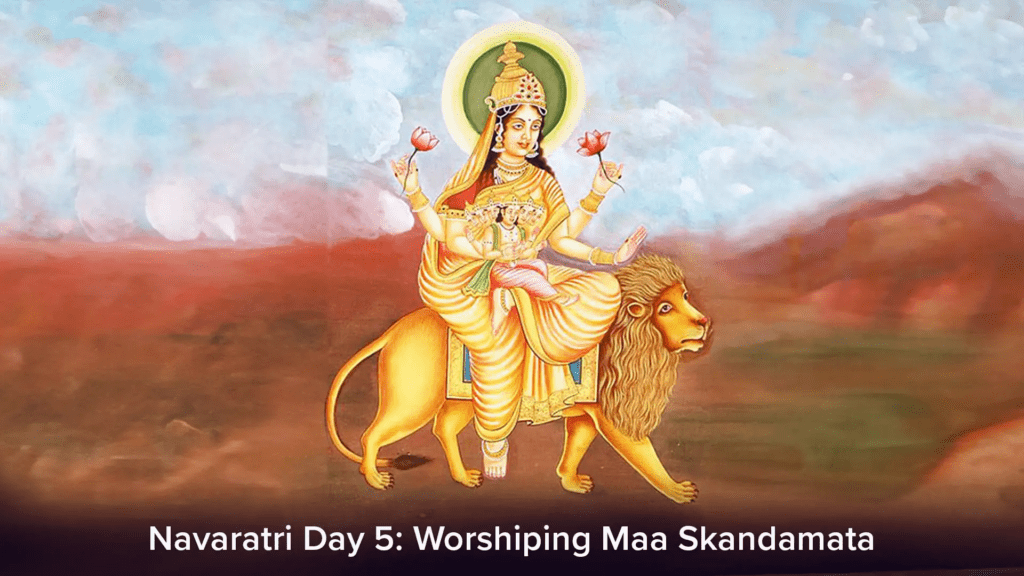
On the fifth day, devotees worship Maa Skandamata, who carries her divine son Kartikeya. Green symbolises fertility, harmony, and the promise of new beginnings. It reflects the nurturing side of the goddess — maa ke roop mein shanti aur vikas dono samaye hain.
Across Gujarat and Maharashtra, devotees adorn temples with banana leaves and sugarcane stalks. Wearing green during Navratri 2025 brings balance to emotions and attracts prosperity. It is also believed to calm restless minds and inspire compassion — much needed in today’s restless pace of life.
Day 6: The Balance of Grey (Maa Katyayani)
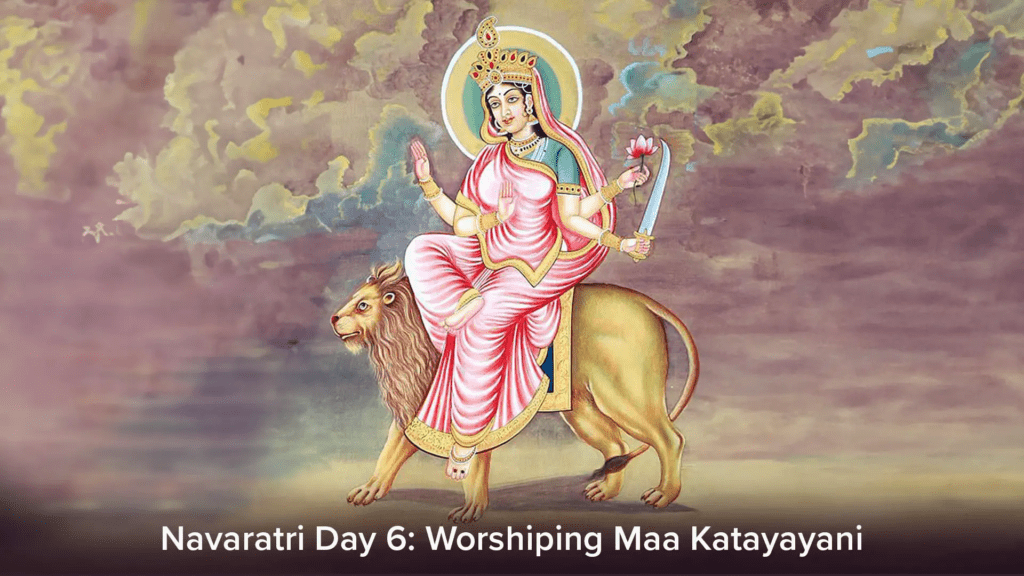
Grey might seem unusual among the vibrant Navratri colours 2025, yet it holds a profound meaning. It represents balance, discipline, and emotional maturity. On this day, people worship Maa Katyayani, a fierce yet protective goddess known to destroy evil and restore order.
Devotees, especially unmarried women, observe fasts and pray for good marital prospects. Grey clothing reminds them to stay grounded — neither too rigid nor too lenient, mirroring life’s dualities.
In Varanasi, local priests describe grey as “the calm before dawn,” signifying transformation. Indeed, life, like Navratri, is about balance before renewal.
Day 7: The Power of Orange (Maa Kaalratri)
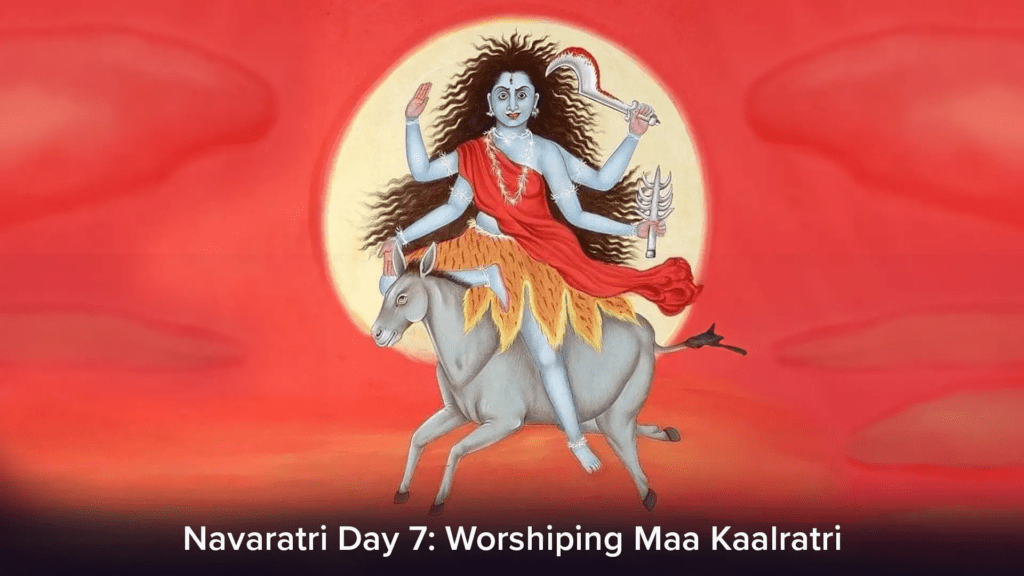
Orange dominates the seventh day, dedicated to Maa Kaalratri, the most fearsome form of Durga. She embodies courage in adversity, and orange captures that spirit of burning energy.
In the plains of Madhya Pradesh, devotees light oil lamps and chant protective mantras. Wearing orange on this day signifies self-confidence and protection against negativity. The colour also mirrors the rising sun — a reminder that after darkness comes light.
“Nar bhaye jo sumire maiya ka naam, miley sab sukh,” goes a local bhajan — those who remember the goddess find peace even amid trials.
Day 8: The Renewal of Peacock Green (Maa Mahagauri)
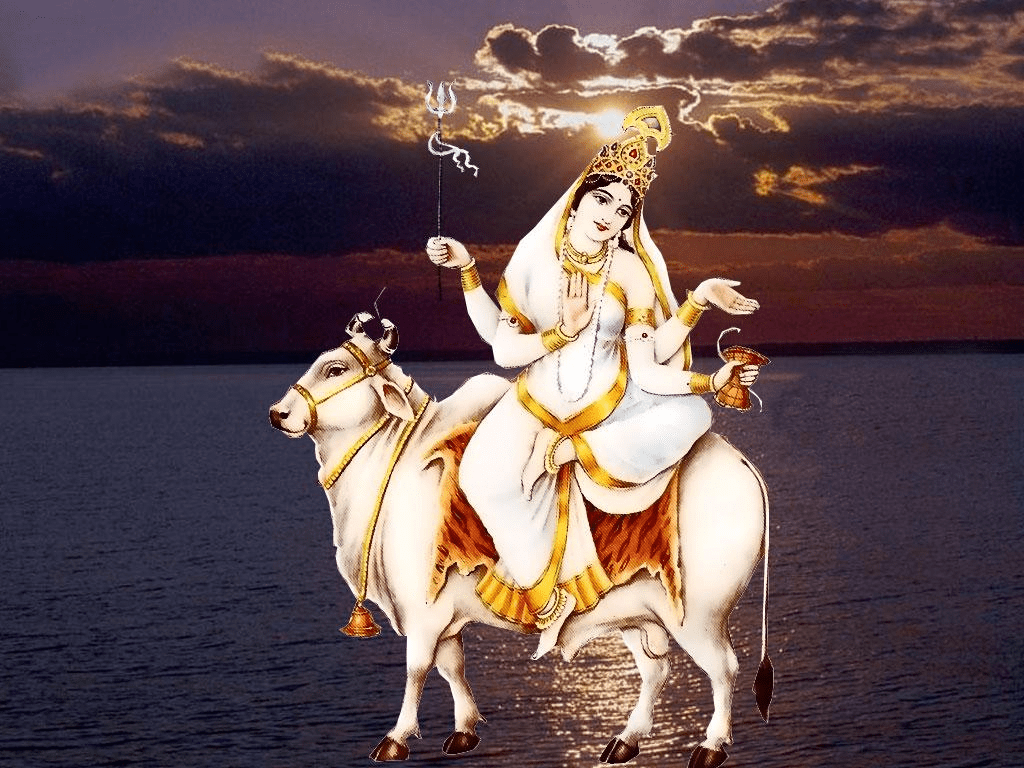
The eighth day, or Ashtami, honours Maa Mahagauri, who radiates compassion and forgiveness. The shade of peacock green symbolises freshness and creativity. Many women choose silk or cotton sarees of this tone, marking renewal and beauty.
In Bengal, Kanya Pujan rituals take place — young girls are worshipped as embodiments of the goddess. Peacock green stands for that youthful vibrance and emotional rebirth, as if the soul itself is rejuvenated.
This hue also connects modern spirituality with nature. Psychologists note that shades of green and teal improve focus and calm — a reason many people meditate wearing them during Navratri 2025.
Day 9: The Harmony of Pink (Maa Siddhidatri)
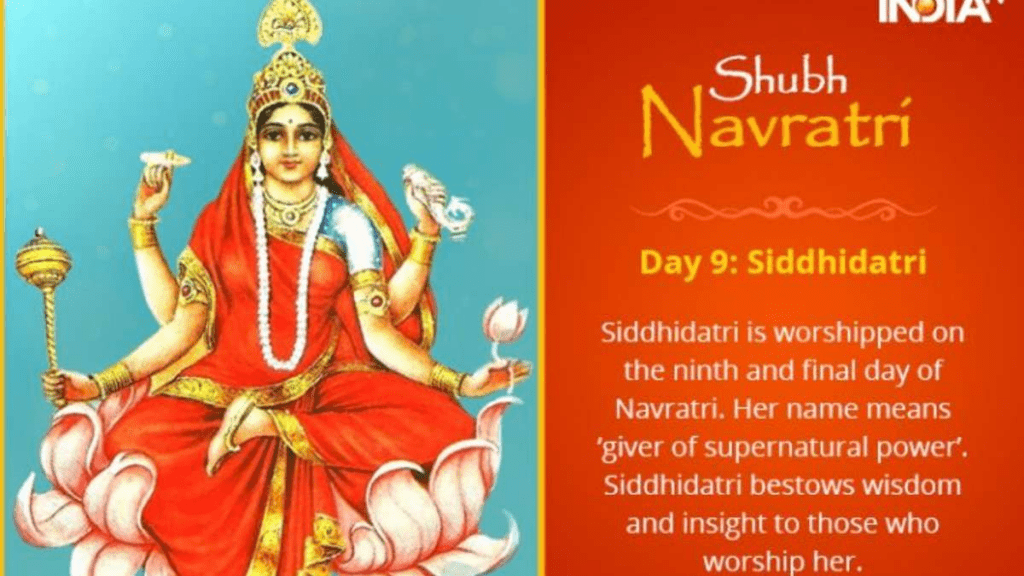
The festival concludes with Maa Siddhidatri, the granter of boons and perfection. Pink represents kindness, affection, and universal love. It’s the most soothing tone in the Navratri 9 colours spectrum — tender, forgiving, and unifying.
On Mahanavami, devotees perform havan rituals and distribute sweets, especially chana-halwa among children. Pink clothing during this day amplifies empathy and connection — reminding everyone that spirituality also means humanity.
In urban homes, families coordinate in pink outfits and share pictures online under hashtags like #NavratriColors2025 and #MaaDurgaBlessings, bringing tradition into the digital age.
Cultural and Astrological Significance of Navratri Colours
Colour during Navratri is both symbolic and cosmic. In astrology, each shade aligns with planetary vibrations that influence human mood and energy. White relates to the Moon, red to Mars, and yellow to the Sun — their balance creates spiritual harmony.
According to cultural historian Prof. Anil Dwivedi, “These colours were never about fashion; they were about rhythm — between the self and the cosmos.”
The growing awareness around Navratri colours 2025 also reflects India’s deeper engagement with sustainable spirituality. Many women now prefer handwoven fabrics and natural dyes as part of eco-conscious devotion — a graceful union of faith and responsibility.
A Living Tradition Across India
In Gujarat, cities like Ahmedabad and Surat host Garba Mahotsavs where each day’s colour lights up the arena. In Maharashtra, women organise haldi-kumkum gatherings wearing matching hues. In Tamil Nadu, the Bommai Golu tradition decorates steps with dolls of gods, saints, and animals.
Even outside India, from Singapore to New Jersey, the Indian diaspora follows the Navratri 2025 colours with date calendar, sharing community prayers and online sessions. These colours act as cultural bridges — linking generations and continents through devotion.
Why Navratri 2025 Feels Special
This year’s festival arrives at a time when people seek stability and renewal. After years of global uncertainty, the symbolic meaning of nine colours — from white’s purity to pink’s compassion — speaks directly to the collective need for hope.
Navratri 2025 is more than a festival; it is India’s emotional calendar, syncing people with the rhythm of faith. Whether through simple cotton attire or elaborate temple rituals, every colour worn becomes a prayer — silent yet powerful.“Har rang ek kahani hai, har maa ek roop hai” — every colour tells a story, every goddess shows a path.