
In a country where celebrity gestures often remain symbolic, Amitabh Bachchan has turned a simple promise into tangible change. The Bollywood legend personally funded the construction of a washroom for a rural family in Arambagh, West Bengal — a commitment he made on Kaun Banega Crorepati Season 16.
For the Dhule family, this isn’t just about infrastructure; it’s about dignity, safety, and respect.
“वचन अगर अमिताभ बच्चन दें, तो पूरा होना तय है,” remarked a local shopkeeper in Hooghly, smiling as he pointed toward the new brick structure behind the Dhule house.
The Promise Made on KBC

Last season on KBC, contestant Jayanta Dhule revealed to Bachchan that his home lacked a washroom, forcing his mother and sister to use open fields. Visibly moved, the veteran actor promised assistance — not as a show gesture, but as a personal commitment.
Weeks later, Bachchan’s team contacted Jayanta, transferring ₹ 2 lakh from the actor’s personal account. Within months, a fully functional washroom stood beside the family’s modest two‑room home.
Jayanta described it as “the best birthday gift of my life.” His mother finally has privacy, and his sister Shikha told reporters, “Now I don’t have to worry after sunset. It feels like we’ve stepped into a new world.”
Why This Story Matters
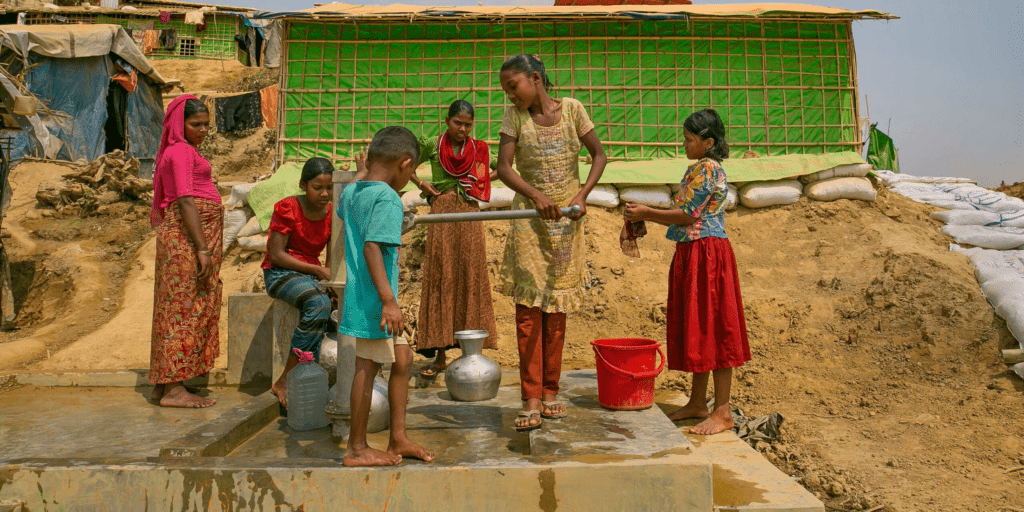
Rural sanitation remains a major social challenge despite the government’s Swachh Bharat Mission. Many villages still lack basic facilities for women. Bachchan’s action may seem small, but it addresses a gap that statistics often overlook — the emotional burden of daily indignity.
When a public figure of his stature takes a stand, it amplifies awareness more effectively than campaigns or slogans. Amitabh Bachchan, at 82, reminds India that empathy is the most powerful form of influence.
The Human Side of Stardom
Unlike corporate charity drives, this gesture wasn’t routed through a foundation. It came directly from the actor’s personal funds and initiative.
Those close to the KBC production say Bachchan insisted that Jayanta’s case be handled discreetly, with “no media event, only action.”
A local contractor, Shubhankar Pal, who supervised construction, recalled:
“We were told to build it strong, clean, and quick. The funds arrived within a week. It wasn’t charity — it was respect.”
Such quiet precision reflects the discipline that has defined Bachchan’s career and persona.
Impact Beyond One Household
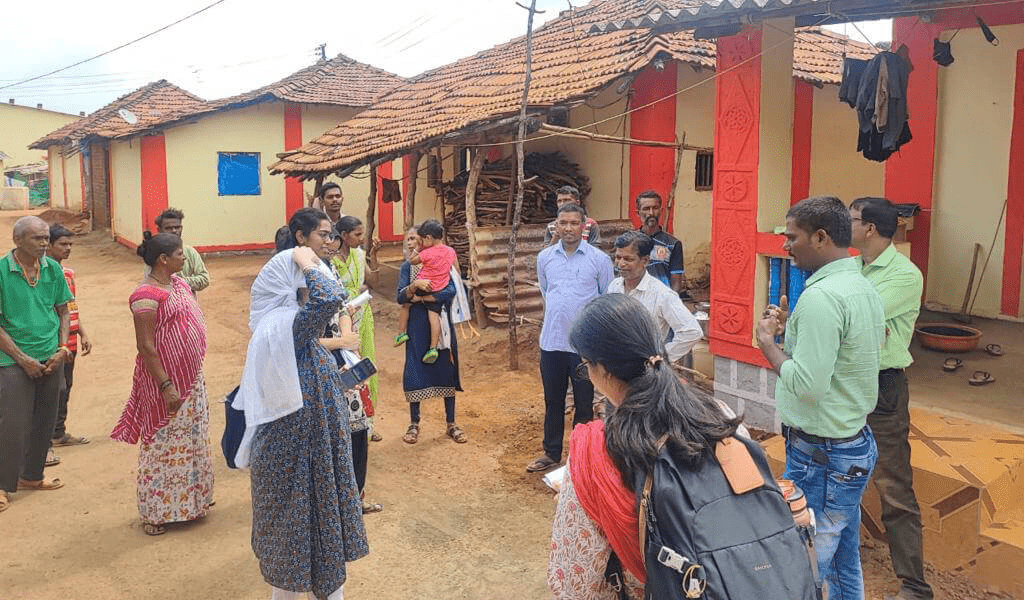
The ripple effect was immediate. Nearby villagers, inspired by the news, pooled money to renovate two old public toilets. Local panchayat members now plan to apply for state funding to build more facilities for women.
For Arambagh, this story became an example of what civic action can look like when sparked by celebrity responsibility.
“Sometimes one washroom brings more change than a thousand speeches,” said a local teacher who helped Jayanta’s family with paperwork.
Amitabh Bachchan’s Message to the Public
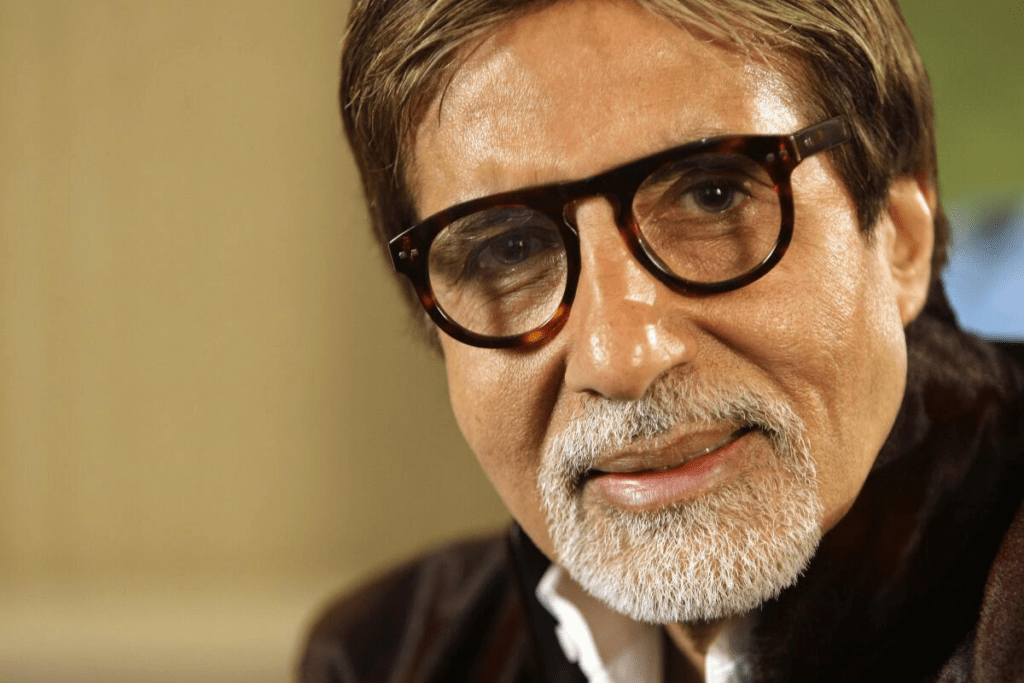
During a recent birthday interaction, Bachchan mentioned the Arambagh story, saying:
“There should be a washroom for every woman, every sister, every mother in the house. That’s why the one behind me exists — as a reminder.”
The statement resonated across social media, with fans applauding him not just for generosity but for consistency. Over decades, Big B has supported healthcare, farmer‑relief funds, and educational causes; this act simply reaffirms his continuing social conscience.
Highlights of the Arambagh Initiative
| Aspect | Detail / Impact |
| Beneficiary Family | Jayanta Dhule & Family, Arambagh (Hooghly) |
| Contribution by Amitabh Bachchan | ₹ 2 lakh (personal funds) |
| Purpose | Construction of private washroom for women |
| Completion Time | ≈ 2.5 months after KBC episode |
| Broader Outcome | Inspired village to start 2 more sanitation projects |
Community Reaction: Respect Earned, Not Claimed
In rural India, where trust is often hard-won and slowly built, Amitabh Bachchan’s gesture cut through class, caste, and distance. For residents of Arambagh, this wasn’t about Bollywood—it was about basic human dignity delivered by someone they never expected to care.
Jayanta’s elderly neighbour, Mahesh Bauri, summed it up best:
“हमने सोचा वो सिर्फ़ टीवी पर वादा करते हैं — लेकिन इस बार कोई सचमुच निभा गया।”
(We thought such promises only exist on TV. But this time, someone actually kept it.)
Village elders held a small community gathering after the washroom was completed—not to celebrate the celebrity, but to discuss how the village could replicate this model using local resources. In that meeting, two other families volunteered land for shared toilets.
This is where true influence lies—not in brand endorsements, but in social motivation.
Why Bachchan’s Legacy Keeps Expanding
At 82, Amitabh Bachchan remains India’s most trusted public figure—not because of continued screen presence, but due to the values he quietly upholds. From funding liver transplant surgeries for underprivileged children to clearing debts of hundreds of struggling farmers in Vidarbha, his record goes far beyond the spotlight.
What sets him apart?
- No PR blasts: His team never seeks media coverage. The stories surface only after the beneficiaries speak.
- Personal involvement: Most initiatives come from his own finances, not through intermediaries.
- Cultural mindfulness: His acts often reflect issues rooted in regional India—rural health, women’s safety, farmer debt.
In a time where public gestures are often performative, his sincerity remains the exception.
How the Story Reached the Nation
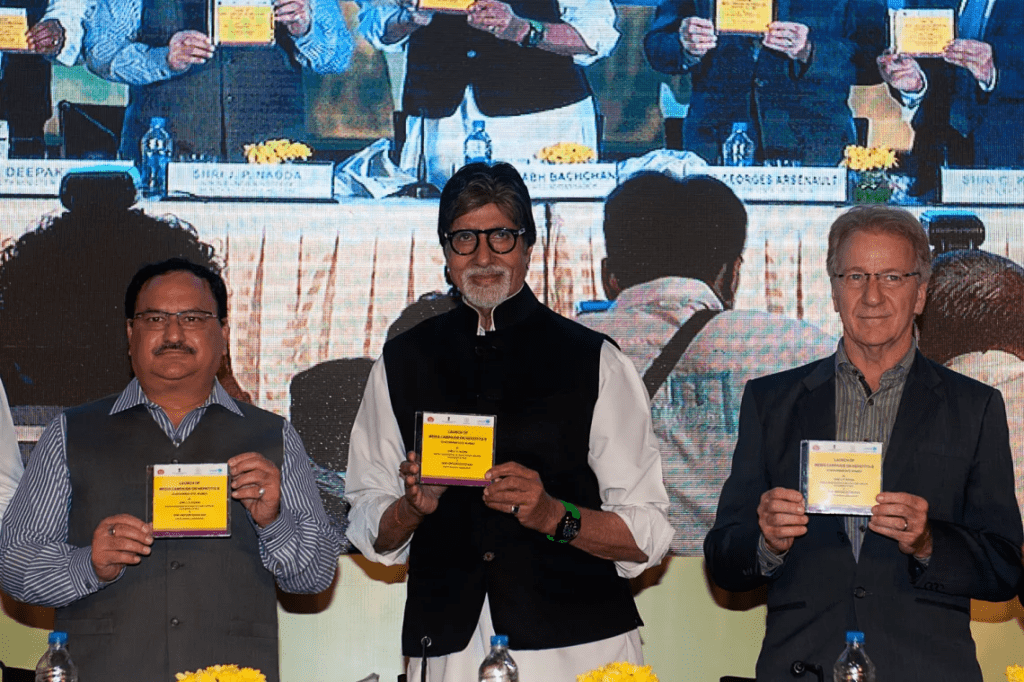
The story went viral only after Aaj Tak interviewed Jayanta and his sister. No press release, no red carpet. Just raw gratitude.
Their segment aired during prime time, and social media lit up. On X (formerly Twitter), the hashtag #BigBForBengal trended for several hours. Memes, fan art, and short reels began circulating—but this time with a message.
Even Bengal’s Chief Minister Mamata Banerjee reposted the story on Facebook, calling the actor “a quiet guardian of public good.”
A Broader Sanitation Message
Though India’s official numbers boast over 100 million toilets built under Swachh Bharat, access doesn’t always translate to dignity. Issues like water access, maintenance, and awareness continue to hamper effectiveness—especially for women in Tier-3 villages.
Amitabh Bachchan’s direct involvement throws light on these silent struggles. The fact that a ₹2 lakh intervention brought such joy to a single home underlines just how much more needs to be done.
Local media in Hooghly has since picked up the story, highlighting villages still lacking functional toilets for women. Some local MLAs are now pledging funds for basic sanitation.
It took one toilet to trigger that.
Why It Resonates in 2025
In 2025’s India—caught between rapid digitisation and persisting inequality—stories like these serve as moral compass points. They remind us that national growth isn’t measured only in GDP or startups, but also in how safe and respected a woman feels in her home.
For Bachchan fans, it’s another reason to admire their icon. For policymakers, it’s a quiet nudge: empathy scales better than policy when carried by trust.