
Yes — the awaited 8th pay commission salary increase could bring significant relief to central government employees and pensioners. While the commission’s final structure is still pending, current estimates suggest a fitment factor between 1.92 and 2.86, and that the new pay scale may be effective from January 1, 2026, even if payments begin later. This article breaks down timelines, formulas, expected hikes, pension impact, and what you should watch.
Current Status & Timeline for Implementation
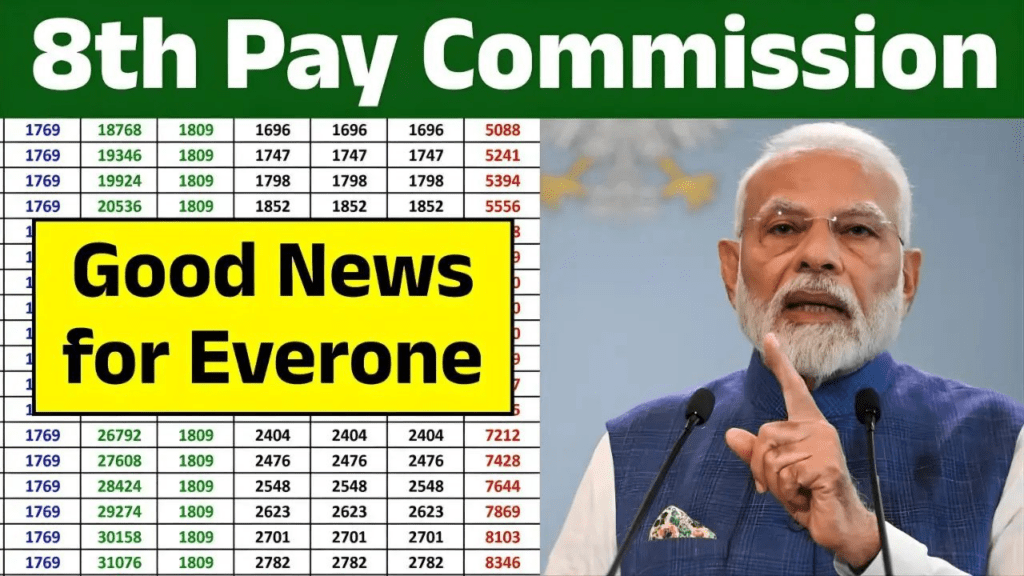
The 8th pay commission was approved by the Union Cabinet on January 16, 2025, but the government has yet to notify its chairperson, members, or publish the Terms of Reference (ToR). Until the ToR is finalised, no formal salary revision process can begin. cleartax.in+4https://www.oneindia.com/+4staffnews.in+4
If the commission begins work in early 2026, the final report may land by late 2026 or early 2027. After that, an additional 6–12 months could go into vetting and approvals. This means central employees might see revised pay only by mid‑2027 or early 2028 — albeit with retrospective arrears from January 2026. https://www.oneindia.com/+7https://www.oneindia.com/+7www.ndtv.com+7
Meanwhile, the delay in constituting the commission has caused frustration. As of now, a fully operational pay panel is still pending. https://www.oneindia.com/+3staffnews.in+3Vajiram & Ravi+3
Fitment Factor: The Multiplier That Matters Most

At the heart of the 8th pay commission is the fitment factor, which multiplies your current basic pay to derive the new basic. A few possibilities:
- Many reports point to 1.96 as a likely factor — meaning your current basic pay would nearly double. Vajiram & Ravi+3www.ndtv.com+3NDTV Profit+3
- Some estimates propose a broader range between 1.83 and 2.46, depending on levels and allowances. cleartax.in+2https://www.oneindia.com/+2
- For higher-level employees, a factor above 2.5 is being discussed in fringe proposals. SGM News+1
Why the variation? Because allowances, DA (Dearness Allowance) reset, HRA percentages, and pension adjustments all influence what the effective takehome will look like. NDTV Profit+4cleartax.in+4Vajiram & Ravi+4
Example Calculation
Let’s take a Level‑9 employee with current basic ₹53,100:
- Applying fitment 1.96 → new basic ≈ ₹1,04,076
- DA is reset to 0%
- HRA (27%) = ~₹28,100
- Total estimated salary ≈ ₹1,32,177
- Increase ~₹33,942/month (~₹4+ lakh/year) https://www.oneindia.com/+1
This example is frequently cited in press coverage, though final numbers depend on allowances, city classification, and commission decisions.
Allowances, DA Reset & Pension Effects
One major shift expected: the DA reset. Once the pay commission is enforced, DA is expected to reset to zero and begin anew based on the revised basic pay. cleartax.in+2https://www.oneindia.com/+2
Allowances (HRA, TA, etc.) will be recalibrated in relation to the new basic. HRA rates (e.g. 27% in metros) are likely to remain, but the base will be higher, making allowance components larger. www.ndtv.com+2https://www.oneindia.com/+2
For pensioners, their pensions will be recalculated using the same fitment factor, and arrears will be paid from January 2026 once final structure is accepted. tncis.in+3https://www.oneindia.com/+3cleartax.in+3
There is also discussion in some reports that under the new pay regime, full pension eligibility might shift — possibly after 12 years of service instead of the current threshold. tncis.in
Salary Hike Estimates Across Levels
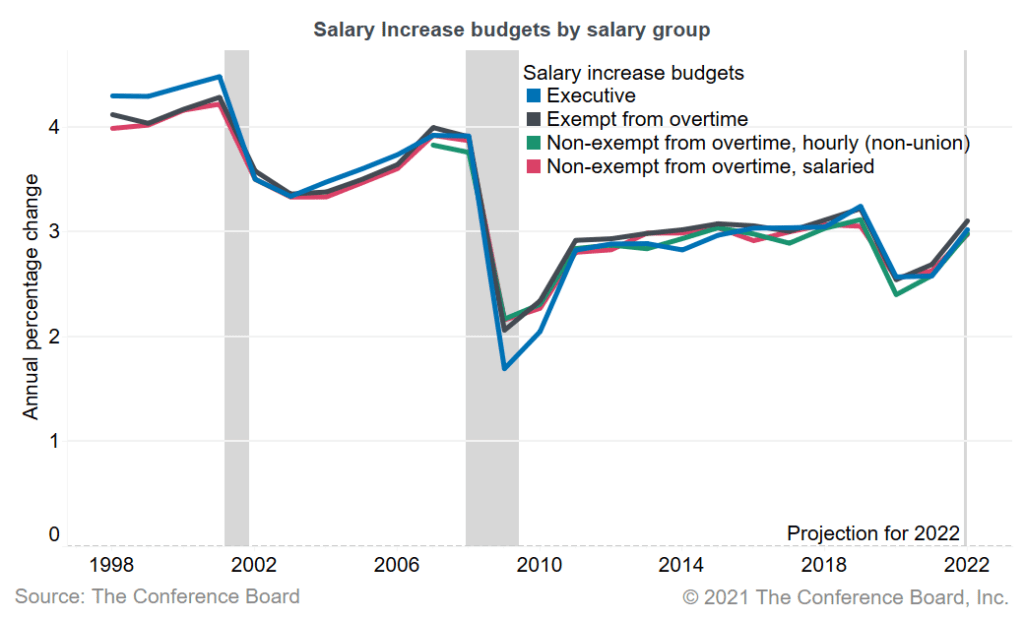
To give you a view of what the hike might look like:
| Pay Matrix Level | Current Basic (7th CPC) | Projected Basic (×1.96) |
| Level 1 | ₹18,000 | ₹35,280 |
| Level 5 | ₹29,200 | ₹57,232 |
| Level 9 (sample) | ₹53,100 | ₹1,04,076 |
This table shows how lower levels gain proportionally, though the absolute increase is greater for mid and higher levels. Actual numbers may vary depending on final factor and allowance rules.
Estimated overall hikes are expected in the range of 30–34% across salaries once the new pay structure is applied. www.ndtv.com+3cleartax.in+3Vajiram & Ravi+3
Challenges, Delays & What’s Holding It Up
The slow pace of commission appointment, lack of finalized ToR, and structural overhaul plans by the government are key reasons for delay. staffnews.in+2Vajiram & Ravi+2
Moreover, integrating inflation, the number of beneficiaries (50+ lakh employees, 65+ lakh pensioners), and fiscal burden makes it a complex task. Vajiram & Ravi+3https://www.oneindia.com/+3cleartax.in+3
Because of delays, some analysts expect implementation might shift into Fiscal Year 2027, only then allowing payouts to start. The Economic Times+2ABP Live+2
In the meantime, the government has offered relief via DA hikes under 7th CPC (3% recently) to offset inflation. The Economic Times
What Government Employees Should Do Now
- Start budgeting assuming your basic might nearly double — but with delays in actual payout.
- Track commission updates — once ToR is notified, everything moves faster.
- Calculate your personal projection using existing basic × assumed factor (1.92–2.5) to estimate your future salary.
- Stay updated on pension reforms, especially if you plan retirement soon.
- Be cautious of rumors — only trust official government releases for final numbers.
Political Angle: Will 8th Pay Commission Be a 2026 Election Card?
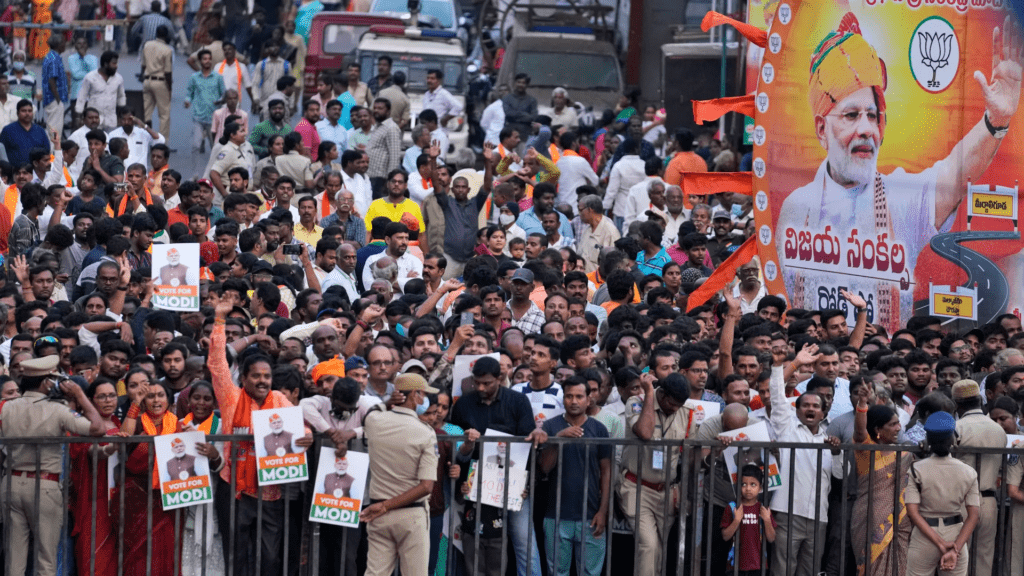
With Lok Sabha elections due in 2029, many political observers wonder if the 8th pay commission will become a populist move in the run-up to 2026 state elections. The Modi government’s decision to approve the commission in early 2025 could be a signal to middle-class voters, especially in states with large public sector employment.
“सरकारी कर्मचारियों की नाराज़गी किसी भी राज्य के लिए भारी पड़ सकती है।”
(Discontent among public servants can weigh heavily on any state.)
Whether it’s a calculated delay or strategic rollout, the timing of implementation—especially if arrears are paid close to election cycles—may significantly influence political narratives.
Will Fitment Factor Be Uniform for All?
Another big question surrounds whether the fitment factor will be uniform across pay levels or tiered.
Some experts suggest:
- 1.92 for Level 1–4
- 2.0–2.2 for Level 5–9
- Up to 2.5–2.86 for senior Group A officers
This tiered approach may help reduce fiscal burden while still delivering a meaningful hike. But until the ToR and final matrix are out, all numbers remain speculative.
Employee Reactions: Hope Mixed with Skepticism
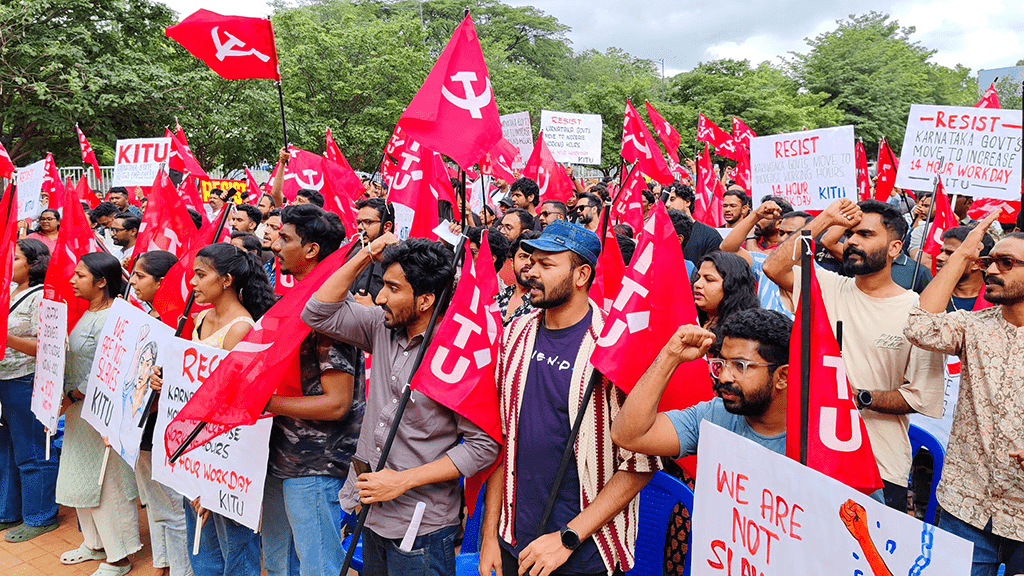
Across employee unions and forums, the reaction has been measured. There’s optimism, but also frustration:
- All India Defence Employees Federation (AIDEF) called for immediate formation of the commission body.
- Some unions are demanding early arrear clearance, if payout is delayed till 2027–28.
- Others want permanent pay matrix reforms, independent of 10-year cycles.
A viral message from a Chandigarh-based mid-level accountant sums it up:
“Arrears are fine, but what about rent and school fees we pay now?”
Clearly, timely implementation is as important as the quantum of increase.
FAQs: What Employees Are Asking
Here are the top recurring questions on forums, social media, and employee networks:
Q: Will I get arrears if payout begins in 2027 or 2028?
A: Yes, if implemented with retrospective effect from Jan 1, 2026 — arrears will be due.
Q: Is the fitment factor final?
A: No. 1.96 is an estimate. Final figure will depend on the commission’s recommendations and government’s fiscal comfort.
Q: Will contract and temporary employees benefit?
A: Only permanent government staff under the pay matrix are eligible. Contractual staff may get hike only if specified by state-level orders.
Q: What about state government employees?
A: States often follow Centre’s lead, but implementation lags vary. Expect decisions from states like Maharashtra, Tamil Nadu, and Kerala a few months after central rollout.
What Happens After 8th Pay Commission?
There are talks within Finance Ministry and NITI Aayog about moving beyond the traditional Pay Commission system.
Some proposals on the table include:
- Annual inflation-linked salary adjustment, tied to a fixed index
- Sector-specific pay bodies (e.g., for teachers, health workers, police)
- Digital real-time DA revision integrated with India Stack & Aadhaar payroll
But these are long-term ideas. For now, the 8th pay commission remains the primary mode of wage revision — and possibly the last of its kind.